Lake Baikal travel: winter ice or summer trekking?
Your Lake Baikal trip is going to be shaped by one binary decision made months before departure: ice or green.
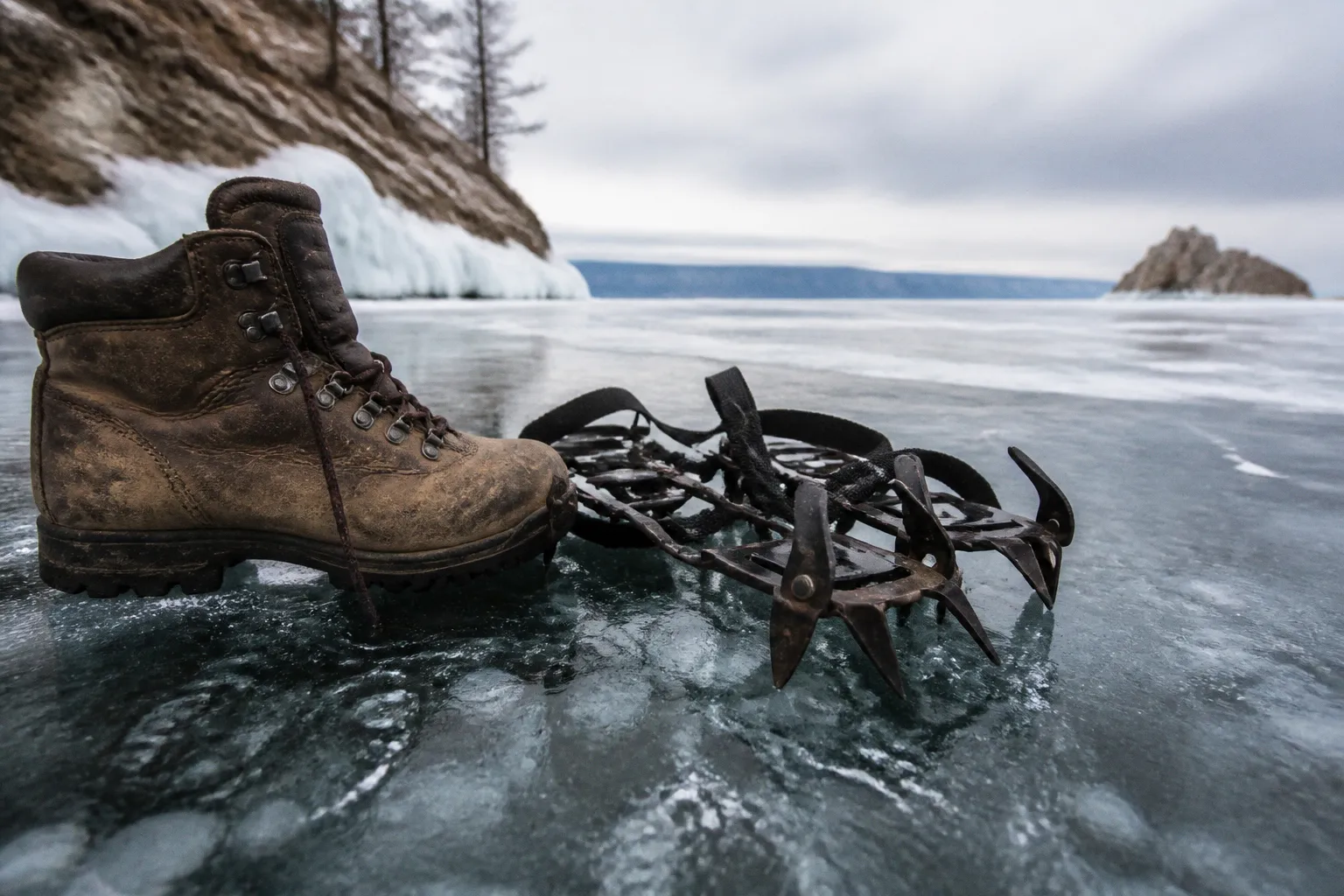
Lock that in wrong, and you are looking at sunk capacity deposits, missed flight windows, and an itinerary that fights the destination instead of leveraging it. Pick it right, and the logistics turnkey themselves into the experience. Lake Baikal is not a year-round destination in the conventional sense — it runs on two sharply defined operational windows, and your activity menu is essentially pre-determined by the date you stamp on the booking contract. So which window delivers the higher ROI for your traveler profile, and what is the actual cost of mispricing the season?
The season choice is not a stylistic preference. It is a hard fork in your itinerary architecture, and every downstream booking inherits that decision.
The Siberian Winter: Navigating the Frozen Deep
Peak winter travel to Lake Baikal runs from late January through early April, with the lake locked under a solid ice sheet reaching thicknesses between 0.4 and 1.5 meters. That is not metaphorical ice — that is infrastructure-grade surface capable of supporting vehicular traffic on officially supervised routes. Winter air temperatures above the lake average around -15°C to -21°C, with Siberian cold snaps pushing the reading down to -30°C and even -40°C. If your travelers cannot absorb that thermal liability, the season is non-negotiable — and your cancellation clauses need to reflect it.
What you are paying for in winter is a fundamentally different product than the summer catalog. Ice activities dominate the menu: hovercraft crossings of the open lake, ice skating across transparent panes that read like glass, dog-sledding along the shoreline, and snowmobile traverses across the surface. The signature event is the Baikal Ice Marathon — a 42-kilometer run staged in March directly on the frozen surface — a logistics puzzle that operators solve only when ice thickness and weather windows align. Winter also unlocks access to features you simply cannot see in summer: methane bubble fields frozen in suspension beneath clear ice, turquoise crack patterns visible only at specific temperature bands, and ice caves along the western shore.
For B2B tour operators, the winter season carries a narrower operational window and tighter capacity than summer. Rescheduling a winter departure into a summer slot is rarely frictionless — vehicles, guides, and permits are seasonal assets. Build that constraint into your vendor contracts early.
Summer Expeditions: Trekking and Water Exploration
Peak summer runs mid-June through August, and the activity profile flips entirely. This is the hiking, boating, and shoreline-trekking window, with a water-based component that winter cannot replicate. August surface water temperatures reach approximately 15°C in the open lake, around 18°C along the shore, and up to 23°C in shallow bays and gulfs — meaning swimming is genuinely viable in the right microclimate, even though open-lake water rarely crosses into comfortable tropical territory. Be honest with your clients about that distinction; oversold "warm swimming" claims are the kind of budget leak that comes back as a refund request.
The Great Baikal Trail and surrounding ridge networks open up for multi-day trekking, with the warmer bays serving as natural base camps for groups that want to mix hiking with boat days. Boat tours along the western shore — including day trips out to Olkhon Island — operate on regular scheduling through July and August. One quirk worth flagging for your itinerary builders: a 15 to 20 km section at the source of the Angara River remains unfrozen year-round due to water flow and temperature dynamics, which can surprise clients expecting a uniformly frozen destination in winter shoulder seasons.
Climate Realities and Seasonal Accessibility
The narrowness of each operational window is the single most important planning constraint in any Lake Baikal product. The lake is fully ice-covered from January through May, and main surface freezing occurs later than many travelers assume — between late December and early January, not in November. May is the ice breakup period, when surface stability is compromised and access becomes unreliable for both winter and summer operations. That leaves essentially two clean booking windows on your annual calendar: late January to early April on the ice, and mid-June to August on the water.
If you are pricing a flexible product, build in the shoulder-season liability. Late December, the May transition, and the October-to-December gap are not Baikal seasons — they are transition periods where the lake delivers neither the ice product nor the full summer product. Travelers booked into those dates by mistake will remember the price tag longer than the scenery.
| Parameter | Winter (Jan–Apr) | Summer (Jun–Aug) |
|---|---|---|
| Operational window | Late January to early April | Mid-June to August |
| Headline activity | Ice crossings, skating, dog sledding | Trekking, boating, shore hiking |
| Air temperature | -15°C to -21°C average; down to -40°C in cold snaps | Mild, with cool evenings |
| Water condition | Frozen (0.4–1.5 m solid ice) | ~15°C open lake; up to 23°C in shallow bays |
| Key risk | Cold exposure, unsupervised ice route liability | Weather-dependent boat schedules |
| Signature event | Baikal Ice Marathon (March, 42 km) | Great Baikal Trail multi-day hikes |
| Vendor capacity | Narrower, seasonal guides and vehicles | Broader, more competing operators |
| Reschedule flexibility | Limited — equipment is seasonal | Higher within the summer window |
The Logistics of Ice Roads and Shoreline Hiking
This is where the risk-management lens sharpens. Driving on Lake Baikal ice is permitted only along designated, monitored ice routes under official supervision. Independent ice driving without specialized guides is a liability your travel insurance will not absorb, and no responsible operator will quote that as part of a turnkey package. Hovercraft crossings and supervised vehicle routes, by contrast, are established products with proper safety records — provided you book with operators who maintain current certifications and route approvals. The audit question for any winter vendor is simple: can they produce the ice road permit and the guide certifications before you wire the deposit?
Shoreline hiking in summer is a different logistics profile: lower risk envelope, but a higher guide-to-client ratio required for the multi-day ridge traverses, and weather dependency that can collapse a boat tour into a wait-day. For B2B operators packaging summer itineraries, build a 24-to-48-hour weather buffer into your schedule — the lake weather changes faster than the Trans-Siberian timetable will forgive.
Choosing Your Baikal Experience Based on Activity
So how do you actually pick? Strip the decision down to activity demand. If your client base is asking for a once-in-a-lifetime visual — transparent ice, frozen methane bubbles, the ice marathon crossing — winter is the only product that delivers. If they want trekking, water access, and a broader activity menu that includes ridge hiking and boat-based exploration, summer is the operational answer. Most B2B tour operators package Baikal as two separate seasonal products, not as a single itinerary with a season swap option.
One practical tip for vendor negotiations: lock winter capacity earlier than summer capacity. The winter operational window is shorter, the vehicle and guide rosters smaller, and the March Ice Marathon dates effectively consume a meaningful chunk of that month's inventory. Summer has more operators competing for the same client pool, which can work in your favor on price — but only if your booking lead time crosses the early-June threshold before guide rosters fill.
Winter sells on scarcity and signature visuals. Summer sells on breadth and accessibility. Match the product to the buyer profile, not the other way around.
Lake Baikal does not reward the traveler who tries to bolt both seasons into a single itinerary. The 1,642-meter maximum depth, the roughly 20 percent share of the world's surface fresh water, the marathon across solid ice — these are products that belong to a specific window, and the operator who treats them as interchangeable will hemorrhage margin and reputation in equal measure. Choose your window, lock the booking lead time, and build the itinerary around what the lake actually delivers in those dates. Everything else is decorative.