Inbound Tourism to Russia: Analyzing the Shift in Visitor Trends
5% in the first half of 2026, with 676,400 foreign visitors crossing the border specifically for tourism purposes, according to data from the Border Service of Russia's Federal Security Service reported by Interfax.
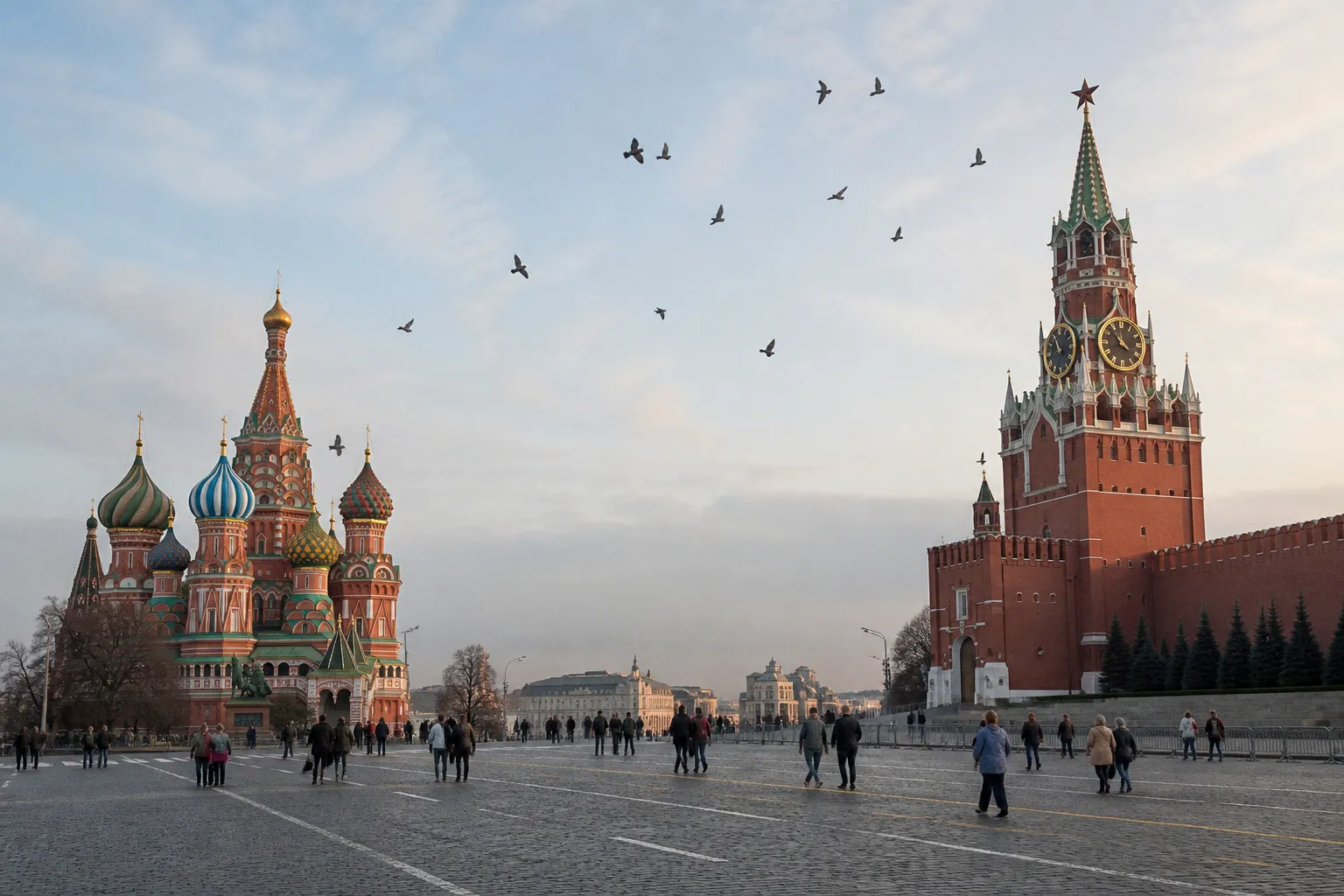
Russia's inbound tourism ticked up 7.5% in the first half of 2026, with 676,400 foreign visitors crossing the border specifically for tourism purposes, according to data from the Border Service of Russia's Federal Security Service reported by Interfax. Here is the catch, though: the headline number masks a quieter April-June, when arrivals actually dipped 4.2% to 383,250. For anyone planning a route into or through Russia this autumn, that split matters more than the rosy six-month figure.
Where the traffic is actually moving
China keeps its grip on the top of the arrivals table, sending 226,370 tourists in Q2 alone (up 7.26% year-on-year), which means trans-Manchurian rail corridors and Far East entry points will stay busy through shoulder season. The real surprise sits in second place: Turkmenistan at 25,520 arrivals, a 47.6% leap that quietly reshuffles Caspian-region itineraries. Turkey rounds out the top three at 20,000 tourist trips (+13.5%), while Germany, once a reliable feeder market, dropped 35.7% to just 12,290.
For itinerary planning, we are watching Vietnam closely (+66.48%) as an emerging source market worth noting on visa-support and airline-capacity trends, even at its modest 5,560 Q2 arrivals. Saudi Arabia's 50% drop and Kazakhstan's 16% decline remind us that visa friction and overland border politics still dictate flows more than any marketing campaign.
What this means on the ground
Domestic travel continues to dwarf the international picture — 43.2 million domestic trips in H1, a 4.3% rise led by Moscow, Saint Petersburg, and Sochi, with Kazan gaining ground as a cultural pivot. That means accommodation, rail, and domestic flight capacity stays tilted toward Russian travelers, and international visitors should expect firmer pricing on the Trans-Siberian and Golden Ring circuits during school-holiday windows.
One practical note from the inbound data: trips for all purposes (not just tourism) still flow overwhelmingly from CIS neighbors — Uzbekistan leads at 838,240 total crossings despite an 11.8% drop — so if you are stitching together a Central Asia-plus-Russia route, overland border logistics between Tashkent, Almaty, or Bishkek and Russian gateways deserve extra buffer days. Regional airports and rail hubs outside Moscow are increasingly the realistic entry points, and pacing your arrival to avoid the Q2-style softness (when fewer foreign tourists were in-country) may actually work in your favor for guide availability and hotel flexibility.
What to watch before booking
We would treat the H1 aggregate as a directional signal, not a green light. The Q2 contraction suggests that mid-spring momentum faded, and if you are eyeing a September or October trip, confirm shoulder-season visa appointment slots early — especially for Schengen-trained travelers who may have been holding off on Russia plans. Russian Travel Digest separately reports that 2.65 million Russian tourists visited Turkey in H1, driven largely by Istanbul transit rather than Antalya beach packages, a reminder that reciprocal flow between the two countries remains robust even as inbound numbers wobble.
For our route-planning purposes, the actionable takeaway is this: book the popular corridors (Moscow–St. Petersburg rail, Trans-Siberian segments, Sochi in late season) with confirmed reservations, but leave room in the itinerary for the less-tracked sources — Turkmen and Vietnamese arrivals hint at where smaller-city and Caspian entry infrastructure is quietly improving, and that is where an expedition-style traveler will find breathing room this autumn.