Maracanã Stadium Tickets: Online vs. Box Office
Here is the catch that trips up most travelers before they even reach the turnstile: Maracanã is not one booking experience, it is two, and the gap between them is enormous.
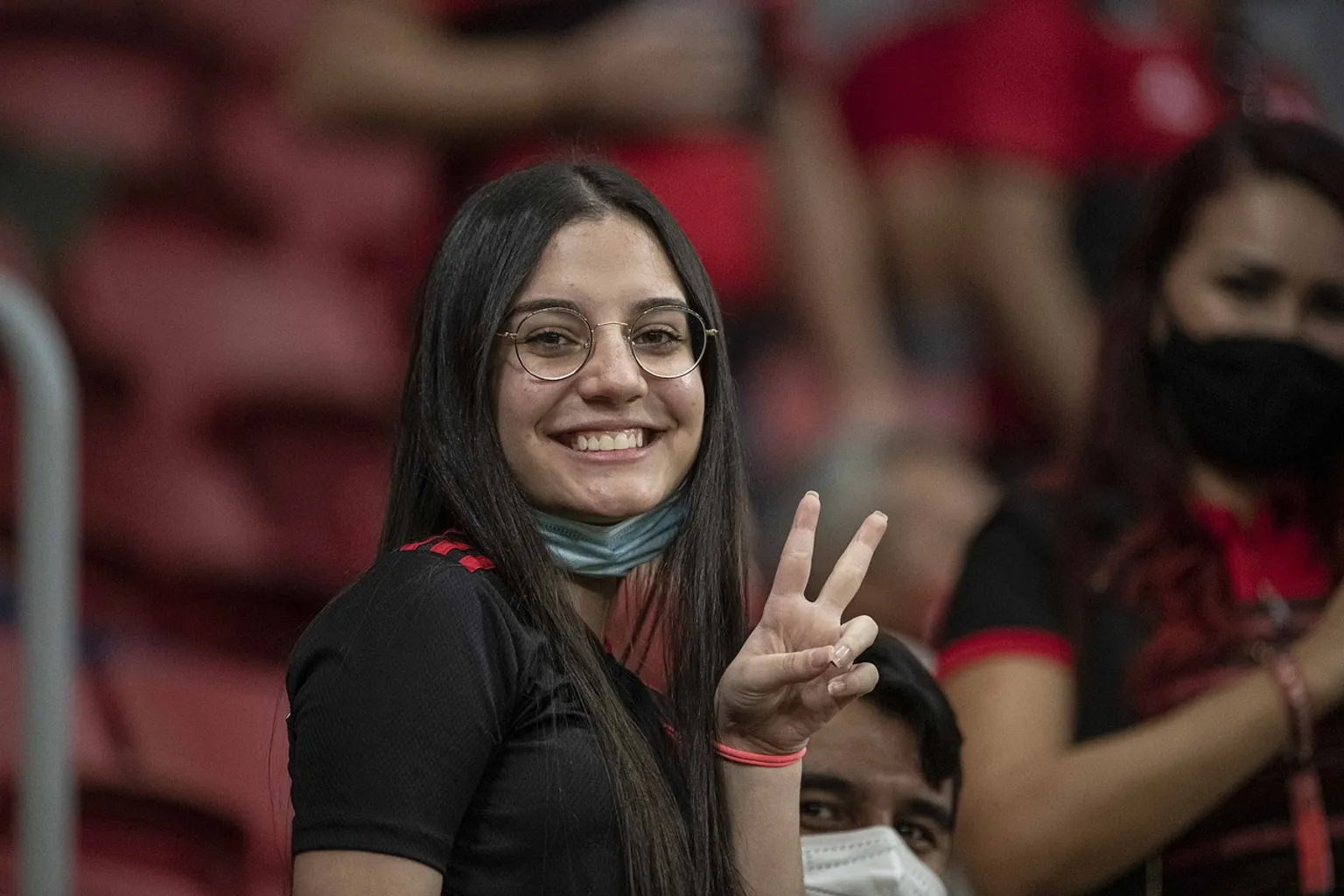
On one side sits a serene, walk-up-friendly stadium tour that any foreign visitor can secure in roughly five minutes with a debit card. On the other side sits match-day ticketing — a layered process gated by facial biometric registration, Brazilian tax numbers, and payment rails that frequently reject international plastic. We have watched otherwise well-prepared travelers arrive in Rio convinced that a Maracanã match will be the centerpiece of their week, only to discover on a Wednesday that the path to a Saturday seat looks more like a visa application than a ticket purchase.
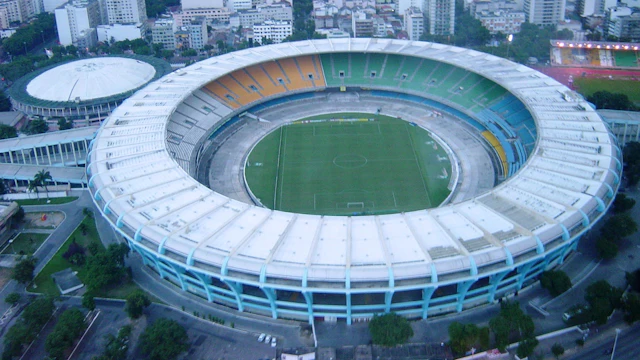
Prices checked on August 03, 2026 · current price on the partner page.
Official website — en.tourmaracana.com.br
- Time to spend: 2–3 h
- Best time to visit: morning
Prices are indicative and may change — confirm the price and availability on the partner page.
Partner link — GetYourGuide ticketsThis piece is the field-tested map we wish someone had handed us before our first derby weekend. It walks through what the stadium tour actually requires, why the online portals for Flamengo and Fluminense behave the way they do for foreign cards, where the physical box offices live, and how to time your visit so you are not turned away at the gate.
Booking the tour is the easy half of Maracanã. Booking a match is where your itinerary meets Brazilian bureaucracy.
The Divide: Stadium Tours vs. Live Match Attendance
Before we untangle the booking mechanics, we have to separate two very different products. Maracanã is, in the same footprint, both a museum and a working cathedral of football, and what you want from it dictates everything that follows.
The tour is the daytime experience: a guided walk through the stands, the dressing rooms, the press area, and the trophy corridor that ends at pitch side. It runs most weekdays, requires no fan affiliation, and treats you as a guest rather than a supporter. Capacity pressure is light, the route is paced for visitors, and the booking is built for international guests first. The tour box office at Gate A accepts walk-ups, opens at 8:30 AM and closes at 4:30 PM, and takes cash or card without drama.
The match, by contrast, is an event. Flamengo and Fluminense share the calendar here — Flamengo typically takes the larger share of home fixtures in the Brasileirão — and on those nights the stadium fills somewhere in the region of 78,000 seated supporters. The booking pathway for those seats is built for Brazilian residents first, foreign tourists by exception, and it shows in every step of the flow.
If your Rio itinerary has a flexible day and a hunger for the architecture of football, the tour will satisfy you completely. If you specifically want the roar of the torcida, you are now entering the comparison that gives this article its spine: the practical trade-offs between trying to book online and showing up at a physical box office.
Securing Your Spot for a Maracanã Stadium Tour
Let us start with the simpler path, because it is also the one most travelers can finish before they leave home.
Tour tickets are sold through two channels, and either works. The first is the online portal — straightforward international card processing, instant confirmation, a QR code or PDF voucher that lands in your inbox. The second is the on-site tour box office at Gate A, where the same ticket is sold in person between 8:30 AM and 4:30 PM on operating days. We tend to recommend booking online only if you want to lock a specific morning or early afternoon slot; if your day is loose, the Gate A office is a five-minute transaction and lets you stay flexible with weather, transit, and pacing.
What matters more for the tour is what surrounds the ticket. Match days compress the entire tour calendar. The last guided visit ends roughly six hours before the stadium gates open for the evening fixture, so an afternoon tour on a Flamengo home Saturday is simply not a product that exists. If your trip straddles a match day, build the tour into the day before, or shift it earlier in the week.
Here is the practical sequence we run through with travelers planning the tour leg:
- Pick a non-match weekday if at all possible — the experience runs calmer and the photographs are cleaner.
- Carry a passport or photo ID to the gate, even though the booking itself does not require it; security will ask.
- Allow about 75 to 90 minutes from Gate A through to the pitch walk; the route is longer than visitors expect.
- Factor in transit fatigue — the stadium sits in a stretch of Rio that demands either a metro ride or a rideshare commitment; budget for both directions.
The tour is, by some distance, the most forgiving entry point to Maracanã, and for many travelers it is exactly the right one.
The Reality of Match-Day Ticketing for Foreign Visitors
Now the harder half. We will not soften it: buying a match ticket online as a foreign tourist is the part of Maracanã planning that has broken the most promising itineraries we have watched.
The official online portals for Flamengo (operated through ingressos.flamengo.com.br) and Fluminense (typically accessed via Futebolcard or the club site) are built around Brazilian payment and identity infrastructure. Two friction points in particular catch foreign visitors.
First, the CPF requirement. The Cadastro de Pessoas Físicas is the Brazilian individual taxpayer registration, roughly equivalent to a national tax ID. Many seat-selection flows assume the buyer has one and will not let you complete a purchase without it. Second, international card declines. Even where CPF is bypassed or filled with a foreign passport substitute, 3D-Secure checks on Brazilian issuing banks often reject Visa and Mastercard issued outside the country. PIX, Brazil's instant-payment rail, is frequently the only frictionless option — and PIX requires a Brazilian bank account or a foreign app that has been linked to one.
What this means in practice is that the buy-online-get-QR-code-walk-in pathway that works for the stadium tour simply does not translate to most home matches. We have seen travelers go through four attempts, three declined cards, and a deeply uncertain email exchange with the platform's support line before admitting defeat on a Wednesday and walking to a physical box office on Friday.
The honest framing of the comparison is this: online is faster when it works, but for a foreign visitor the success rate is low enough that it should be treated as a hopeful first try rather than the plan.
Navigating Biometric Registration and Physical Box Offices
Here is where the field notes earn their keep. If the online route fails — and statistically it often does — the path forward is a physical box office, and the path through that box office involves biometric facial registration that no online ticket can shortcut.
Every match ticket, regardless of where it is bought, must be linked at the point of sale to a verified face. The system photographs the ticket holder and binds that image to the seat. At the stadium gate, that binding is checked; a PDF on your phone with someone else's face, or your own face without the binding, will not get you in. This is why box offices require the original passport of the attending fan — not a photocopy, and not a driver's license from another country.
For most foreign visitors, the practical box offices are these:
- Maracanã Box Office No. 2 (Bilheteria 2) — Rua Prof. Eurico Rabelo, 22, in the Maracanã neighborhood itself. This is the on-stadium option and the one we typically send travelers to first, because it concentrates every match's ticket inventory in one place.
- Flamengo's Gávea headquarters — Av. Borges de Medeiros, 997. Useful if you specifically want a Flamengo home fixture and are staying in the Zona Sul; it is also where the club handles a lot of its membership and season-ticket logistics.
- Fluminense's Laranjeiras office — Rua Álvaro Chaves, 41. The right stop if you are after a Fluminense fixture and want to avoid the stadium queues on the day.
Maracanã does not care that you speak Portuguese fluently — the system wants your face, your passport, and ideally a CPF number you do not have.
The visit itself is not complicated, but it is not quick. You present your original passport, the attendant photographs you for the biometric record, you choose your sector if availability allows, and you pay. Cards are accepted at the stadium windows, though we have occasionally seen smaller club offices prefer cash or PIX for walk-up sales on the day of the game. Plan on twenty to forty minutes per person, longer if you arrive in the final two hours before kickoff.
A note on inventory: the cheapest upper-sector tickets for a Flamengo home match tend to move quickly when the team is in form, and the higher-category seating disappears earlier still. We have learned the hard way that arriving at the box office on match day for anything other than the upper sections is an act of optimism. If a specific sector matters to you, the Tuesday or Wednesday before the match is the right window.
Strategic Planning for Match-Day Logistics and Cut-offs
Let us bring the geography back into the picture, because Maracanã is the kind of venue where the ticket is the smaller of your problems.
The stadium sits in a transitional pocket of Rio that is well-served by metro and rideshare but unforgiving on foot. The Maracanã metro station delivers you close to the gates but funnels a crowd of tens of thousands through narrow escalators after full-time, and we have watched the post-match crush turn a planned dinner in Lapa into a two-hour logistical exercise. Build the post-match meal somewhere with a metro connection, not somewhere you have to walk to.
Timing windows matter more than they appear:
- Match day tour cutoff: the last stadium tour concludes about six hours before gates open. On a typical evening kickoff, that means tours end in the early afternoon; on an afternoon fixture, the tour is simply not available that day.
- Box office peak times: the two hours before kickoff are the busiest, with the longest biometric queues and the most depleted inventory. The morning of the match is calmer and usually has better sector availability.
- Brasileirão calendar: the Brazilian Championship runs April through December, so almost any dry-season window of your Rio trip is likely to overlap with at least one home match for one of the resident clubs. That is good news for planning, but it also means the box offices are not dormant between fixtures.
If you are weighing whether to commit to the tour-only path or attempt a match, here is the comparison we walk readers through:
| Factor | Stadium Tour | Match Day |
|---|---|---|
| Booking friction | Low — online or Gate A walk-up | High — CPF, biometric, card declines |
| Online success for foreigners | Routine | Unreliable |
| Required documents | None at booking; ID at gate | Original passport for every attendee |
| Time required at venue | 75–90 minutes | Plan on 2–3 hours including queues |
| Best booking window | Any operating day | 3–7 days before kickoff |
| Atmosphere | Calm, museum-paced | The full Maracanã roar |
For travelers who want the architecture and the history without committing to the bureaucracy, the tour is the honest answer. For travelers who want the experience the stadium was built for, the box office path is the only path that reliably closes.
Closing the Itinerary
Here is how we would sequence the two products across a typical Rio week. Build the stadium tour into a Tuesday or Wednesday — it pairs cleanly with a morning at the Museu do Amanhã or an afternoon in Santa Teresa. Reserve match-day planning for the back half of the trip, when jet lag has lifted and your schedule can absorb a long evening at the box office plus the metro shuffle afterward. If the online portal cooperates on your first attempt, count it as a gift and stop reading; if it rejects your card or stalls on the CPF field, you now know exactly which Rua Prof. Eurico Rabelo box office window to walk into, and you know which original passport to bring.
Seasonally, the dry window between June and September is when the calendar is fullest and the weather most forgiving for queuing outside the gates — a quieter November visit can mean easier box offices but more weather risk in the open-air sections. Maracanã rewards the traveler who treats the booking the way the city treats the weather — with patience, with a fallback plan, and with respect for the system underneath.
Practical info
Currency: BRL
Driving: on the right