India Expands e-Visa Access with 11 New Designated Entry Points for Travelers
According to NDTV Profit, India has notified 11 additional entry points for foreign travelers holding an e-Visa. VisasNews and other reports describe the change as an expansion of the network available to e-Visa holders.
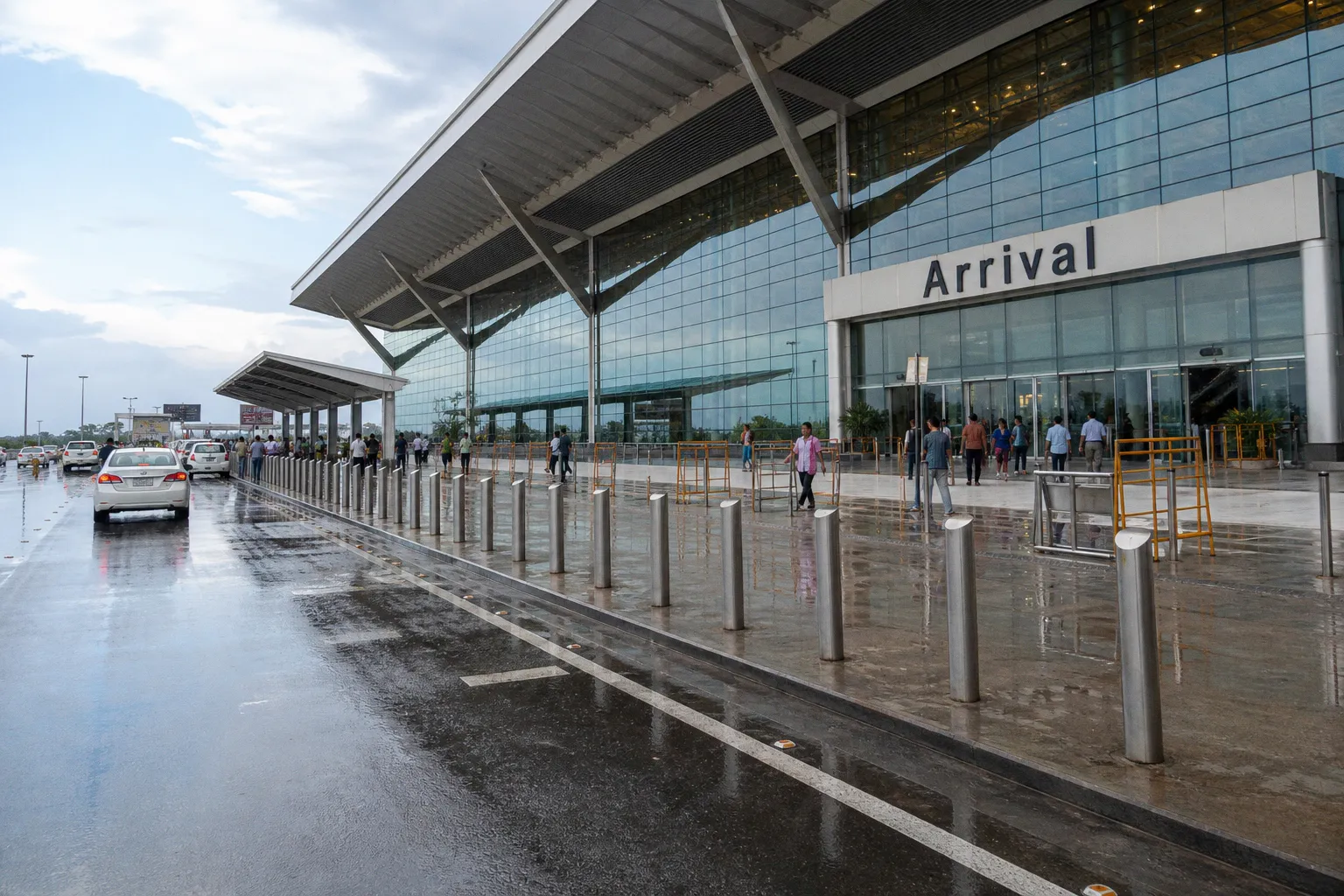
The operational point is narrow but material: an approved e-Visa does not remove the need to verify the permitted arrival point before booking transport.
The change is an entry-point update
The reported measure concerns 11 new portals in India. They are described as entry points for foreigners carrying an e-Visa, with the change linked to tourism access.
The available reports do not provide a complete operational table in the evidence reviewed here. They also do not establish that every category of Indian e-Visa can be used at every newly added point. Treat the headline as a network expansion, not as blanket authorization for any route.
For itinerary planning, separate three controls:
- visa approval;
- permitted entry point;
- transport route to that point.
A failure in the third control can invalidate an otherwise correct travel plan. Do not treat an airport, seaport, or land crossing as interchangeable until the current official list confirms its status.
What travelers should verify before payment
Use the following sequence:
1. Confirm that the traveler’s nationality and visa category are eligible for India’s e-Visa system.
2. Match the approved visa with the intended arrival point.
3. Check whether the point is classified for the relevant mode of travel.
4. Confirm the status again before issuing non-refundable tickets.
5. Keep buffer time for immigration processing and any onward connection.
The reports identify the expansion but do not supply enough detail to establish the full list of 11 locations from the available material. That is a hard information gap. Travelers should not infer eligibility from a booking site, an airline itinerary, or a general statement that India accepts e-Visas.
The same control applies to combined itineraries. A flight into one city followed by a land transfer, cruise segment, or border crossing is not automatically compliant with the visa conditions. The first point of immigration remains the key checkpoint.
Practical relevance for route design
The change may give foreign tourists more routing options inside India, but the evidence does not confirm how each new point will affect specific regional itineraries. Do not rebuild a route around the announcement alone.
Use a two-route plan:
- Primary route: the newly reported entry point, only after its status and visa compatibility are confirmed.
- Fallback route: an established entry point already accepted for the traveler’s visa, with additional transit time reserved.
This approach prevents a common logistics failure: purchasing a complex itinerary before the border-entry condition is verified. The safe sequence is visa category, approved portal, transport ticket, onward connection. Reverse that order and the booking becomes the risk point.