Russia-Hong Kong Travel and Trade: New Opportunities in the Greater Bay Area
Russia and China have removed visa requirements for each other's citizens, and passenger data is already responding.
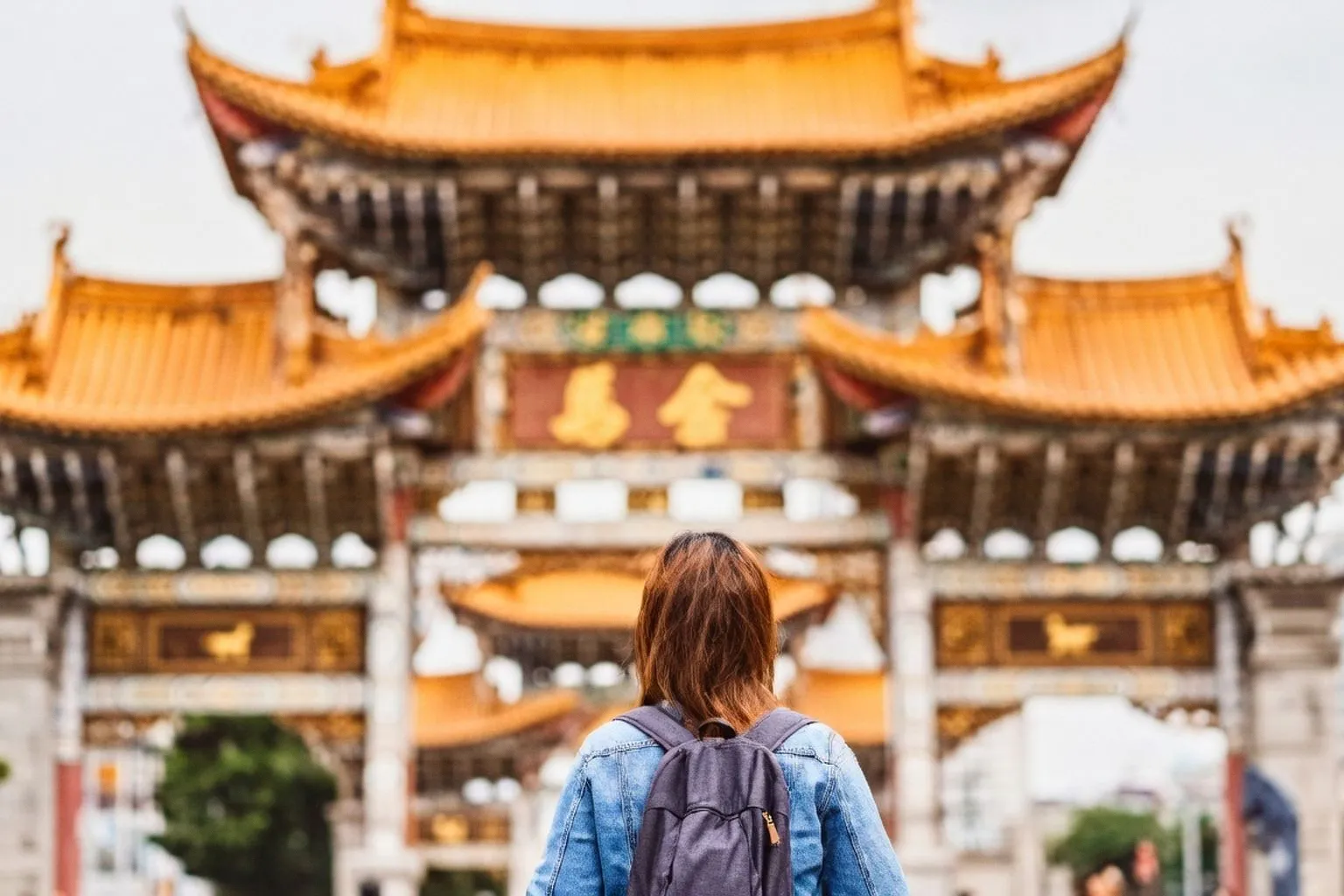
Per the Russian Ministry of Economic Development, tourist exchanges rose 50% in the first half of 2026, with the visa-free arrangement cited as the primary driver. Parallel to the tourism surge, a Russian consumer goods business mission visited Hong Kong on September 15–16, 2026, signaling that the city is being positioned as a formal trade and investment gateway for Russian firms reaching the Greater Bay Area. For inbound operators routing clients through Chinese hubs — Hong Kong included — the corridor map is being redrawn.
Transit Corridor Status
- Mutual visa-free regime: in force for citizens of Russia and China.
- Tourist flow H1 2026: up 1.5x versus the prior period.
- China Friendly certification: 80+ hospitality facilities and airports cleared under the program.
- Adaptation scope: accommodation, attractions, services calibrated for Chinese visitors.
- Trade benchmark: bilateral turnover held near US$200 billion for three consecutive years; H1 2026 trade up nearly 24%.
- Settlements: national currencies account for nearly 100% of transactions.
The corridor is operational. Visa processing days drop out of lead-time calculations for Chinese nationals entering Russia. Operators should still carry passport control and migration card procedures as standard steps — buffer time remains mandatory for groups crossing via third-country hubs.
Hong Kong as a Business Gateway
A Russian consumer goods business mission, organized by the Russian Export Center, ran September 15–16, 2026, per russiaspivottoasia.com. Twelve Russian companies across food, confectionery, jewelry, veterinary, and agricultural sectors participated. The stated objective: partnerships and access to Asian markets via Hong Kong, the Greater Bay Area, and beyond.
Key numbers from the same report:
- Russia-Hong Kong bilateral trade H1 2026: ~US$2 billion.
- Russian exports to Hong Kong H1 2026: exceeding US$1.1 billion.
- 2025 Russia-mainland China trade: US$200 billion+.
- 2025 Russia-Hong Kong trade: US$4.3 billion.
Political backing is in place. At the Russia National Day reception in Hong Kong on June 10, Chief Executive John Lee Ka-Chiu extended a formal invitation to Russian entrepreneurs to examine the Northern Metropolis — approximately 30,000 hectares along the Hong Kong-Shenzhen border, designated for housing, industrial, technology, and innovation development. Lee specifically named high technology, artificial intelligence, and environmental industries. Russian Consul General Anatoly Kargapolov indicated readiness to explore joint investment in the GBA and Northern Metropolis.
Routing Implications for Russia-Bound Travel
For inbound operators and individual travelers, the practical shifts are narrow but measurable:
- Hong Kong becomes a viable transit node for business travelers combining Russia and Greater Bay Area engagements.
- Common-law commercial infrastructure in Hong Kong supports contract and logistics frameworks distinct from mainland China.
- Hong Kong-linked shipping has become more visible in Russian crude logistics since 2022; parallel movements in passenger routing are plausible.
- Russian gold flows toward Hong Kong have grown; commodity marker, not a tourism indicator, but it confirms the corridor's strategic weight.
Items to Track
- Plan 2030 implementation: Russia's stated target is US$300 billion in bilateral trade by decade's end.
- Northern Metropolis timeline: watch for zone openings and sector-specific entry protocols.
- Visa-free reciprocity: monitor for amendments, scope expansions, or transit-only carve-outs.
- China Friendly certification roster: confirm participating facilities before booking high-volume groups.
Failure mode to avoid: treating visa-free status as a replacement for all documentation. Passport validity, migration card procedures, and any sector-specific entry requirements remain standard. Buffer time on group movements through Hong Kong should not be compressed below the prior baseline until at least two full operating cycles of the new regime have passed.