Upcoming EU Visa Fee Hikes May Reshape Travel Planning for International Tourists
The European Commission is weighing a surcharge on top of the standard Schengen visa fee, with a preliminary overhaul of the EU Visa Code slated for the first quarter of 2027.
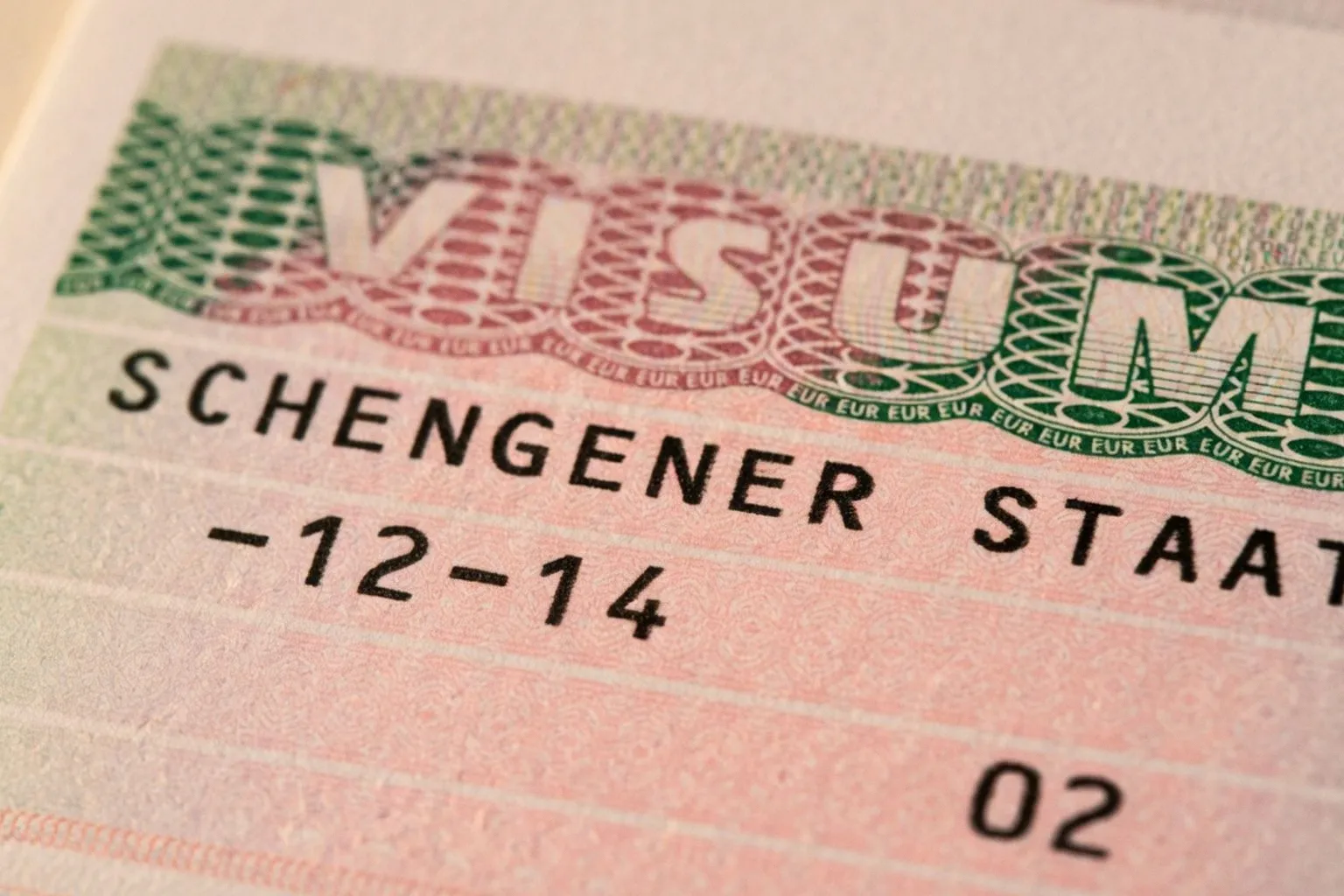
According to the Commission's call for evidence published September 8, 2026, no surcharge amount has been set and no decision is final. For travelers weighing Europe against Russia, this opens a narrow planning window before any fee revision lands.
Scope of the proposal
- Possible "harmonized surcharge levied at the EU level on top of the Schengen visa fee." Collected separately from national fees. Revenue routed to development of the EU's common visa policy. No figure published.
- Current baseline: €90 per adult, €45 per child aged 6 to 11. In force since June 11, 2024. Raised from €80 and €40 in the prior update.
- Trusted business traveler track under consideration. Common Schengen-wide lists of verified companies. Employees would gain procedural advantages. No unified identification method currently exists.
- Broader, faster visa restrictions against third countries. Triggers include hybrid threats, sabotage, espionage, instrumentalization of migration. Measures designated "rapid, proportionate, targeted, and reversible."
Where Russia itineraries intersect
Russia does not require a Schengen visa. Russian passport holders transiting Europe, or building combined routes, do. Schengen-side cost and processing uncertainty feed directly into the timing of any Europe leg.
Operational points:
- File Schengen applications now for travel through Q2 2027. Current €90/€45 fee holds until any new measure passes.
- Route stopovers through non-Schengen hubs where visa-free or visa-on-arrival rules apply. Avoid Schengen transit if passport control falls in scope.
- Verify whether a cheaper national visa covers the route before defaulting to Schengen.
- Track Q1 2027. Commission presents proposal. Council and Parliament negotiate. Implementation typically runs 12 to 24 months from adoption.
Monitoring list
- Surcharge amount and structure. Flat fee versus percentage add-on.
- Exempt categories. Humanitarian cases, journalists, dissidents get explicit carve-outs in draft language.
- Trusted-traveler rollout pace. Affects business visa processing for Russian employees of certified firms.
- Reciprocity triggers. Readmission cooperation and bilateral tension can activate visa levers.
Fail-safe plan
Lock Schengen appointments for any confirmed European leg before Q1 2027. Route Russia segments through non-Schengen corridors. Build buffer time into multi-destination itineraries: any Schengen delay cascades into onward bookings. Maintain dual-purpose documentation — Schengen-ready and national-visa-ready — so consulates can be switched without rebooking.