Navigating New Schengen Border Controls for Travelers Heading to Russia
According to theTraveler.org, Europe’s new border controls and planned travel authorisation system are adding compliance steps for international visitors preparing trips for late 2026 and beyond.
The changes matter most to visa-exempt travellers entering the Schengen Area, but they also affect itinerary design, airport buffer time and transit planning. Travellers heading toward Russia through European hubs should verify which entry rules apply to each border in the route.
Biometric registration is now part of the Schengen corridor
The European Union’s Entry/Exit System, or EES, has been fully operational since April 2026 across most Schengen states, theTraveler.org reports. It replaces routine passport stamping for short-stay, visa-exempt visitors with a digital record of entry and exit.
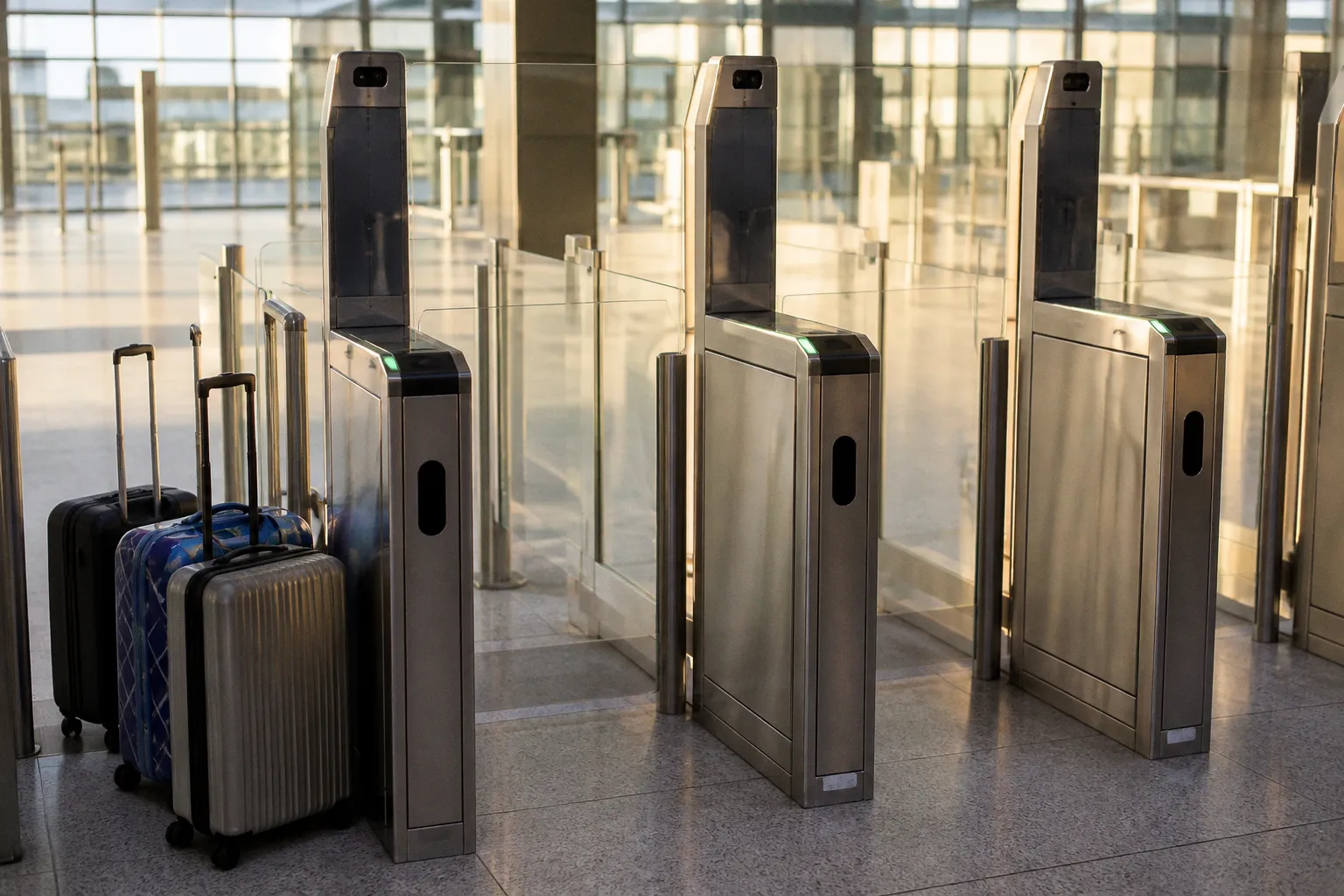
At first registration, travellers provide fingerprints and a facial image at the border. New kiosks and e-gates have been installed at airports and busy land crossings. The system records time spent in the Schengen Area and is intended to support enforcement of the existing 90-days-in-180 rule.
Operational points:
- First-time biometric enrolment can add several minutes to screening during busy periods.
- Subsequent crossings are expected to be faster.
- Transition-period queues have already exceeded some passengers’ planning assumptions.
- Airlines and airport operators have called for clearer information at check-in and departure points.
Do not treat a Schengen transfer as a single administrative event. Check whether the route requires formal entry into the Schengen Area, where the first external border crossing occurs and whether the connection leaves sufficient buffer time for registration or additional screening.
ETIAS remains a separate pre-travel requirement
Europe is also preparing the European Travel Information and Authorisation System, or ETIAS. It is intended for visitors from visa-exempt countries, including the United States, Canada, the United Kingdom and Australia.
Official information cited by theTraveler.org places the start of ETIAS in the last quarter of 2026. Recent European media coverage has raised the possibility of a delay into 2027. The implementation date therefore requires verification before ticketing.
The reported operating conditions are:
- Online application before departure.
- Fee of €20 for adults.
- Authorisation expected to cover multiple trips for three years, or until passport expiry.
- Most applications expected to process quickly; some may require additional checks.
- Boarding may be affected if the required authorisation is not approved in time.
ETIAS is not a traditional visa. That distinction does not remove the compliance risk. Travellers must identify their passport category, confirm whether the route falls under the visa-exempt regime and check the official status of the system before departure. Do not submit an itinerary on the assumption that a pending application will be accepted at the airport.
What to verify before booking a route
The current rules create two separate control points: biometric registration at the Schengen border and, once launched, an online travel authorisation before departure for eligible visa-exempt visitors. They should be handled as separate checklist items.
For a Russia-related itinerary using Europe as a transit corridor, verify:
- Whether the traveller is entering Schengen or remaining airside during transit.
- Whether the passport requires a visa rather than ETIAS.
- Which airport or land crossing performs the first Schengen entry procedure.
- Whether the connection includes enough buffer time for biometric enrolment and queues.
- Whether ETIAS is active on the planned departure date.
- Whether every border in a multi-country itinerary has been checked separately.
The evidence does not establish a new Russian visa rule or a change to Russian entry requirements. It does establish higher procedural uncertainty on the European side of some routes. The fail-safe plan is direct: confirm the current requirement through the relevant official border or visa portal, allow additional transit time, and keep an alternative routing option before issuing non-refundable tickets.