Navigating the Panemunė Border: A Guide to Lithuania’s Pedestrian Crossing into Russia
The Panemunė crossing on the Lithuania–Russia border moves roughly 200 people per day on foot, per LRT reporting dated August 23, 2026.
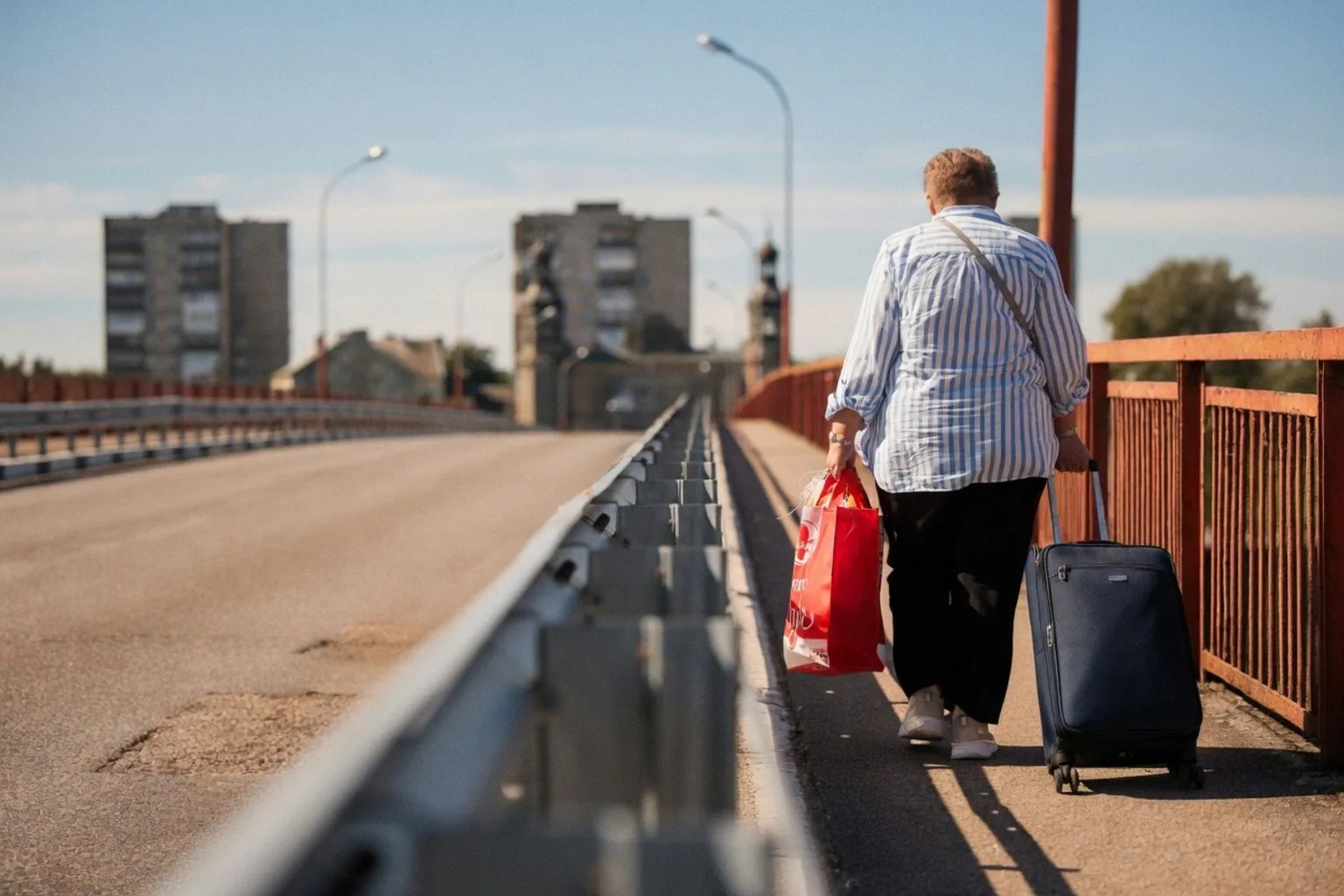
It is one of only two active entry points into the Kaliningrad exclave. For travelers planning a route from the EU side, this single constraint governs the approach: road access at Panemunė does not exist.
Active vs. Closed Crossings
- Panemunė: pedestrian only.
- Kybartai: vehicle traffic, located further south.
- Nida, Rambinas, Ramoniškai: closed during the COVID-19 period and never reopened after 2022.
- Queen Louise Bridge over the Nemunas: shut since April 2022. Four years on, no visible repair work.
Two crossings function. Three do not. The closed bridge has no reopening timeline. Treat the current configuration as permanent, not transitional.
Rail as the Primary Artery
Three to four transit trains run each direction daily through Pagėgiai and Kybartai, up to 300 passengers per train. Colonel Rimantas Petrauskas, commander of the Pagėgiai border unit, told LRT that rail capacity exceeds current demand. Most Panemunė foot traffic consists of family visits: Lithuanian and Latvian citizens with relatives in Kaliningrad, dual nationals from Germany, France, and Israel, and travelers routing onward through Kaliningrad airports. Only EU citizens cross without a visa.
Traveler Checklist
- Confirm visa status before departure. The checkpoint is not a visa-issuance point. Non-EU nationals must hold a valid Russian visa on arrival.
- Expect 30–40% higher pedestrian volume in summer. January brings a second spike tied to Russian Orthodox Christmas travel.
- Reserve rail transit early during peak months. Walk-up capacity is constrained.
- If entering by vehicle, use Kybartai. Panemuně does not process cars.
- Build buffer time. Pedestrian processing and rail transfers run on fixed schedules, not on demand.
Crossing into the Kaliningrad exclave from Lithuania is not a fluid operation. It is a two-point corridor with a single rail backbone and a pedestrian-only margin. Anyone routing through it should plan to those parameters, not around them.