Poland Leads EU Push to Restrict Russian Diplomatic Access and Transit Corridors
Per the Robert Lansing Institute, Polish Foreign Minister Radosław Sikorski stated on September 3, 2026, following a Weimar Triangle meeting, that roughly 40 percent of the approximately 2,000…
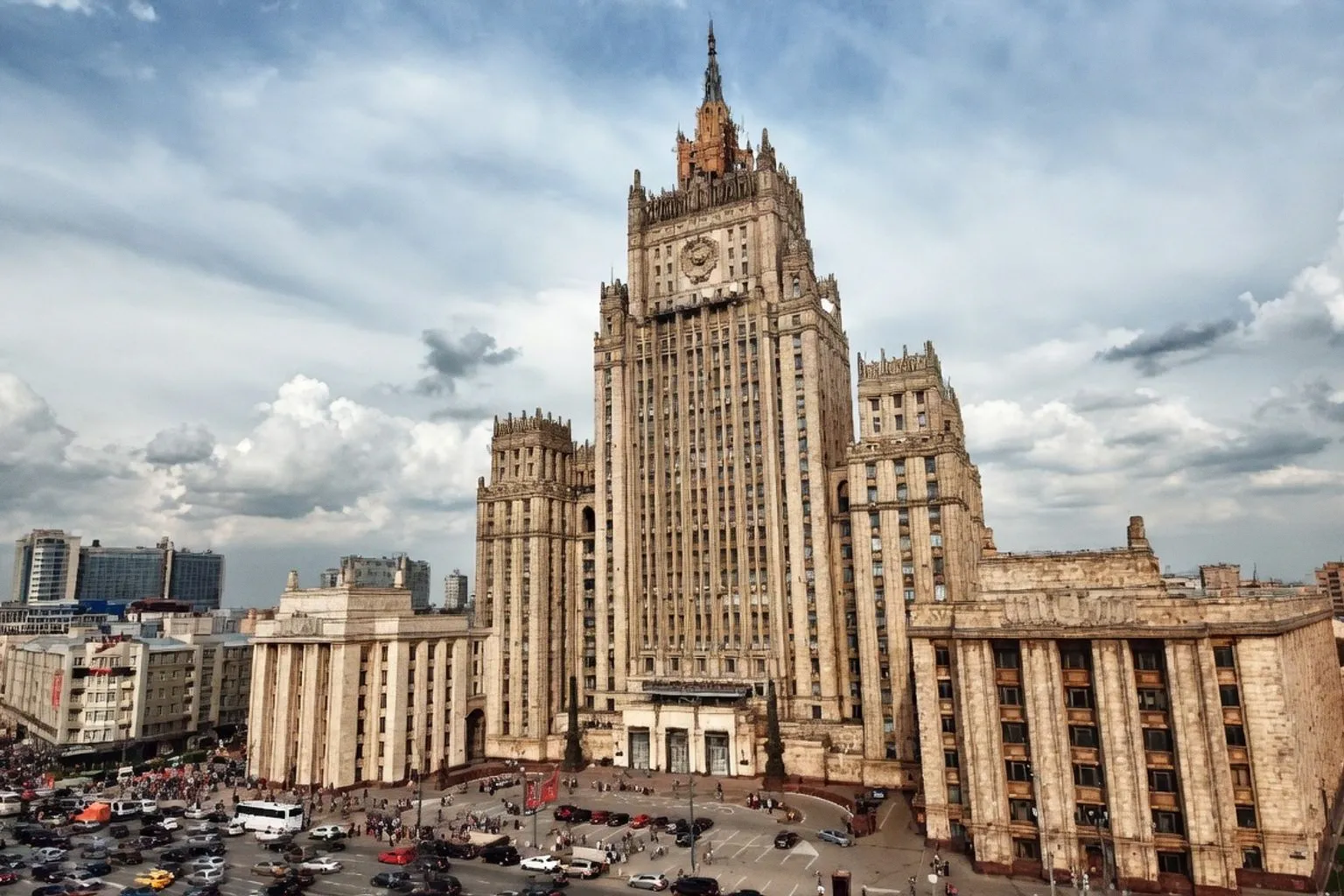
Schengen Overhaul: What Poland's Diplomatic Cut Means for Russia-Bound Travelers
Poland is pushing the European Union to systematically shrink Russia's diplomatic footprint across the bloc — a move with direct ripple effects on visa channels, consular processing, and transit corridors used by travelers heading to or through the Russian Federation.
Per the Robert Lansing Institute, Polish Foreign Minister Radosław Sikorski stated on September 3, 2026, following a Weimar Triangle meeting, that roughly 40 percent of the approximately 2,000 Russian diplomats accredited in EU member states may be operating in the interests of Russian intelligence services. Warsaw's proposal moves beyond individual expulsions toward dismantling the enabling infrastructure itself.
What the Proposal Covers
- Numerical cap. Reduction of accredited Russian diplomatic staff across EU member states.
- Geographic restriction. Remaining diplomats limited to the territory of their accrediting country — no cross-Schengen movement under diplomatic cover.
- Tightened visa rules. Stricter issuance and renewal procedures for Russian personnel.
The objective, per the Institute's analysis: eliminate the transnational mobility that allows a single diplomatic post to support operations across multiple jurisdictions. Diplomatic status currently provides legal residence, protected communications, and Schengen-wide transit. Restrict that and the operational value of each posting drops.
Why This Matters for Inbound Travel to Russia
For travelers planning entry into Russia via European transit hubs, several procedural variables are shifting:
- Consular processing delays. Reduced Russian consular staffing in EU capitals may extend visa appointment lead times. Plan for buffer.
- Schengen transit scrutiny. Russian travelers using Schengen airports may face increased document checks at connecting gates. Build transit margin of 3–4 hours minimum.
- Alternative application routes. Third-country visa application channels (Istanbul, Dubai, some Southeast Asian posts) may absorb overflow. Confirm acceptance of your passport type before booking flights.
- Carrier compliance. Airlines operating Russia-bound services from EU hubs are recalibrating passenger screening. Carry printed hotel vouchers, return tickets, and migration card documentation.
What to Monitor
- EU Council response to the Polish initiative — consensus required for binding effect.
- Implementation timeline for staff reductions at Russian missions in Warsaw, Berlin, Paris, Rome.
- Bilateral reciprocity measures Moscow may impose on EU diplomats in Russia, with knock-on effects for European travelers applying at Russian consulates abroad.
- Schengen visa rule amendments published in the Official Journal of the EU.
Until the framework is formalized, treat all EU-based Russian consular interactions as subject to last-minute procedural change. Submit applications through the earliest available appointment window and avoid non-refundable connections until visa issuance is confirmed.