Poland Proposes Stricter Schengen Visa Protocols and Diplomatic Curbs for Russia
Polish Foreign Minister Radosław Sikorski has formally requested that the European Union tighten Schengen visa issuance for Russian nationals, cap the number of Russian diplomats in the bloc, and introduce biometric entry passes.
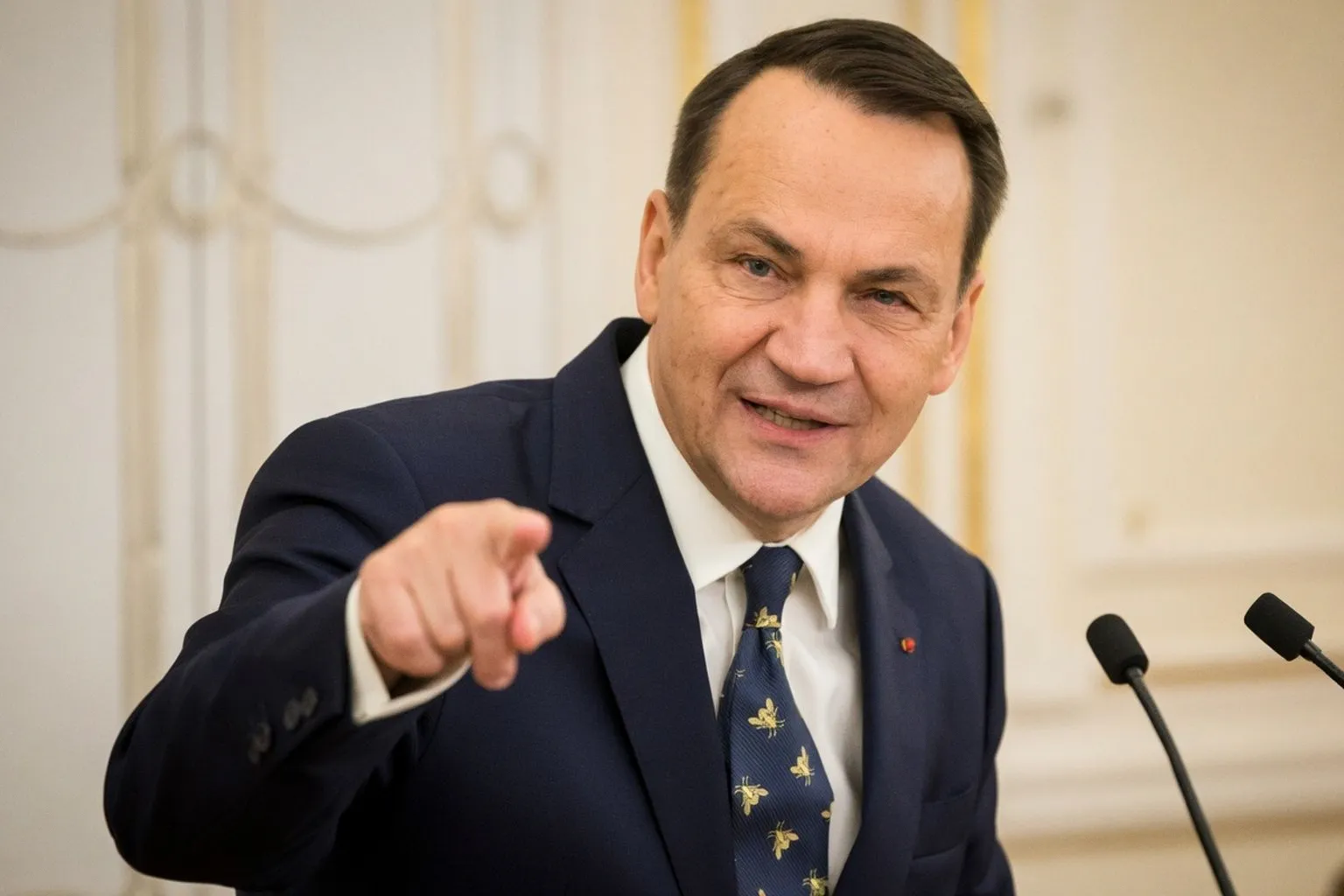
Poland calls for tighter Schengen visa rules for Russians and limits on Russian diplomats' movement
The proposal was delivered after a trilateral meeting with German and French counterparts in Weimar. For travelers building routes into Russia, the development warrants monitoring: it signals friction in the European transit corridor and potential for reciprocal Russian measures affecting visa services and entry protocols.
What's on the table
Four measures proposed by Warsaw:
- Schengen visa issuance to Russian citizens: tighten or limit
- Biometric passes for Russians entering the EU: introduce
- Russian diplomat cap in EU member states: implement
- Diplomatic mobility: restrict Russian diplomats to their country of accreditation
Sikorski stated that more than 2,000 Russian diplomats currently operate in EU countries and estimated that at least 40% perform duties incompatible with diplomatic status. He framed the request around free-movement privileges, asserting that Russia is, in his words, "trying to destroy the EU from within and should not be allowed to take advantage of the privileges of free movement." French Foreign Minister Jean-Noël Barrot indicated Paris is prepared to support additional steps "if circumstances require it." Germany, which has separately blamed Russia for incidents involving explosive-laden drones, has already announced retaliatory diplomatic actions. No EU Council vote on the Polish proposal is currently scheduled.
Downstream effects for inbound Russia travel
The proposal targets outbound Russian movement into the EU. It does not change Russian Federation visa policy directly. It creates three operational risks for travelers entering Russia:
- Reciprocity. Russian authorities may respond with counter-restrictions on EU diplomats, Schengen-area travelers, or specific nationalities entering Russia. Monitor the Russian Ministry of Foreign Affairs.
- Transit friction. Routes through Schengen hubs — Helsinki, Riga, Tallinn, Warsaw — are the standard connecting points for flights into Moscow and St. Petersburg. Biometric requirements, longer processing, or reduced consular staffing can lengthen transit windows.
- Visa throughput. Reduced EU diplomatic presence in Russia may slow processing at Schengen consulates for third-country nationals whose itineraries require European entry or transit.
Fail-safe planning steps
- Verify Russian Federation visa requirements independently of any news cycle. A current Schengen visa does not cover Russian entry.
- Map alternative transit corridors: Istanbul, Dubai, Minsk, Baku — all outside the proposed EU framework.
- Maintain a minimum 72-hour buffer between any Schengen visa issuance and onward travel to Russia.
- Track Russian MFA statements within 48 hours of any EU Council movement on the proposal.
- Confirm flight bookings are refundable or rebookable until the political situation stabilizes.
Status: proposal stage. Existing Schengen rules remain in effect.