China-Russia Economic Ties: How Regional Integration Impacts Travel Logistics
According to Russia’s Pivot to Asia, China–Russia economic cooperation in the first half of 2026 is expanding beyond state-led projects into regional government activity, industrial links, research, and transport corridors.
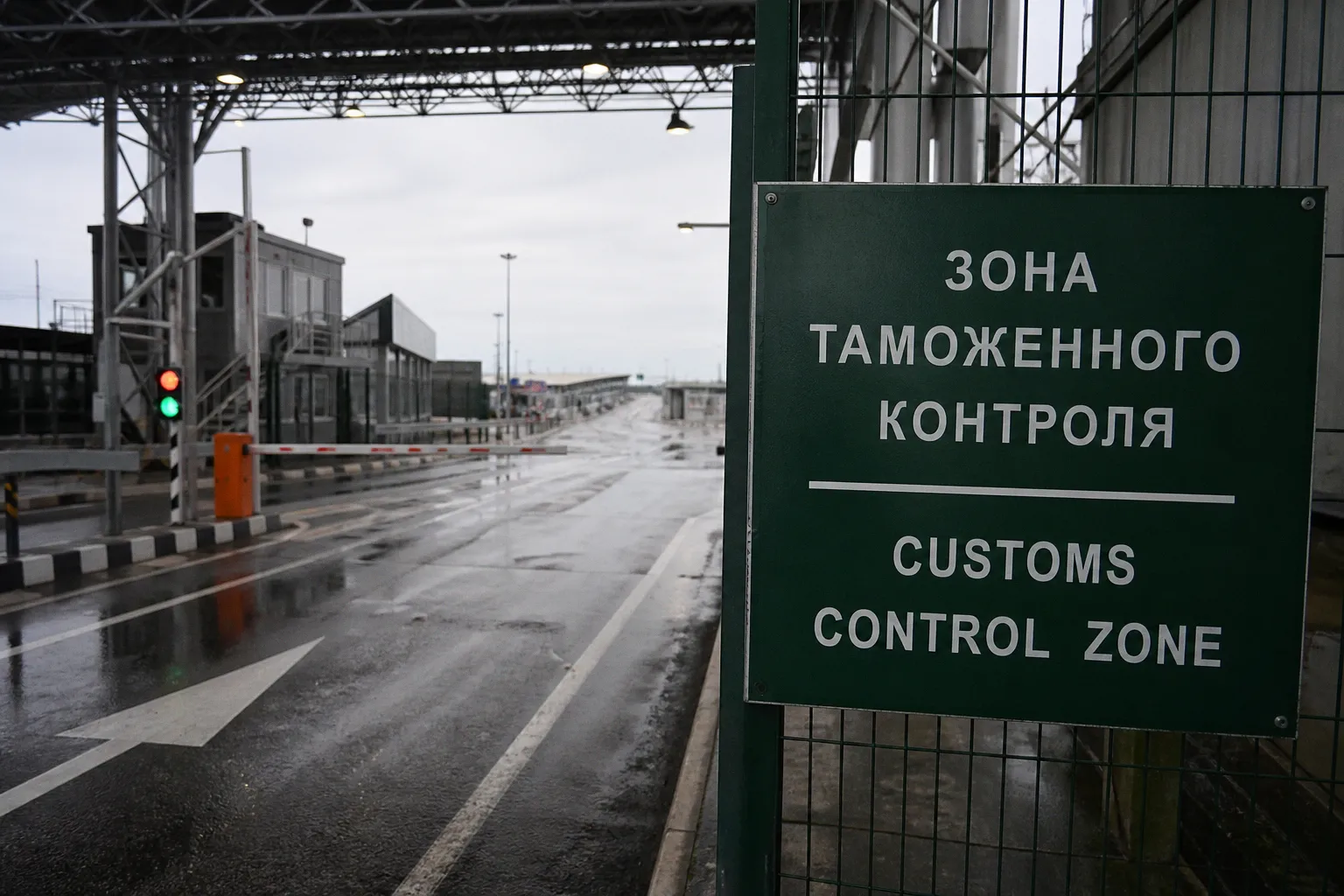
For visitors planning travel from China to Russia, this signals closer institutional coordination—but it does not, by itself, confirm a new entry procedure, border arrangement, or travel entitlement.
The operational signal is regional integration
The source reports bilateral trade of US$134.1 billion in the first half of 2026. It identifies regional governments, companies, universities, and cross-border industrial clusters as increasingly important participants in the relationship.
Five Russian federal subjects share a direct land border with China. The report places particular emphasis on Heilongjiang and on cooperation involving Russia’s Primorsky Krai. It also notes that Primorsky Krai shares a land and lake border with China’s Heilongjiang and Jilin provinces extending for about 1,500 kilometres.
For tourism logistics, this matters at the infrastructure level:
- border regions may become more active in transport and investment coordination;
- cross-border corridors are being treated as a strategic development area;
- institutional cooperation is extending into legal environments, education, logistics, and payment networks;
- regional rather than solely federal initiatives may shape future travel infrastructure.
These are structural indicators. They are not confirmation that a specific crossing, route, payment method, or visa process has changed.
Visa headlines require document-level verification
Two Economic Times listings report that Russia has introduced a talent visa for highly skilled foreign nationals or workers. The available material provides no eligibility criteria, application route, validity period, processing time, fee, or connection to ordinary tourism.
Do not treat this headline as a tourist visa update. A talent visa, as described by its title, concerns highly skilled foreign workers. Nothing in the available evidence establishes that it changes:
- tourist visa requirements;
- visa-free arrangements;
- electronic visa eligibility;
- border-control procedures;
- permitted length of stay;
- rules for accompanying travellers.
The correct compliance position is to separate three categories:
1. Confirmed headline: a talent visa for highly skilled foreigners or foreign workers was reported by The Economic Times.
2. Unconfirmed operating details: all application, eligibility, and processing parameters.
3. No established tourist impact: the evidence does not link the measure to leisure travel.
Travellers should therefore continue to use the entry category that matches the actual purpose of the trip. Do not select a work-related route because it appears in a business-news headline. Do not assume that industrial cooperation creates automatic access for tourists.
What to monitor before booking
The China–Russia report says cooperation is moving toward higher-value manufacturing, technology integration, closer industrial chains, cross-border transport, energy and payment networks, digital services, and institutional reform. It also identifies new energy, smart grids, and digital finance as areas for further cooperation.
For a Russia itinerary, track the following in sequence:
- Entry category: confirm whether the trip is tourism, business, work, study, or another purpose.
- Official procedure: require published rules, not an article title or search-result snippet.
- Transit corridor: verify the exact border point, onward route, and buffer time before issuing tickets.
- Payment continuity: confirm available payment arrangements for the route and booking providers.
- Regional execution: check whether a regional programme has produced an actual transport or visitor-service change.
- Document validity: keep passport, visa, invitations, insurance, and booking records consistent with the declared purpose of travel.
The economic story is relevant because regional integration can affect future routes, connectivity, and service availability. It is not a substitute for entry clearance.
Fail-safe plan: until the talent-visa rules and any regional transport changes are published in operational form, book only against confirmed visa requirements and a verified transit corridor. Treat every broader promise of connectivity as a planning signal—not as permission to cross a border.