Germany Pushes for Stricter EU Visa Rules for Russian Travelers Amid Security Concerns
Germany is urging the European Union to tighten or reduce tourist-visa issuance for Russian citizens after reported sabotage attacks, according to The Guardian.
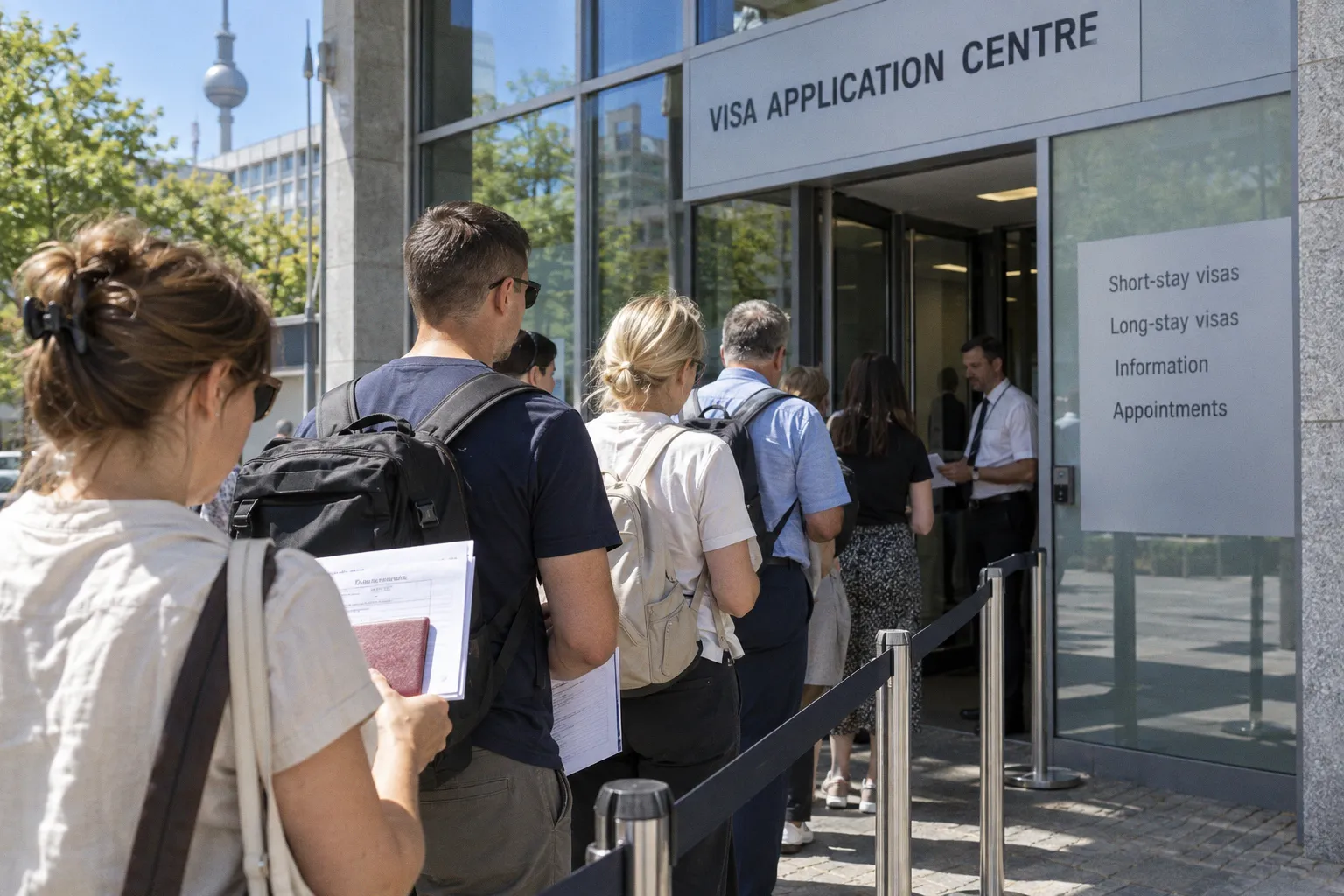
The reports describe a political call for stricter entry controls, not a confirmed EU-wide suspension. For travelers planning Russia-related transit or visa arrangements, the immediate requirement is to separate announced pressure from rules already in force.
No EU-wide change confirmed
The reported position comes from Germany and concerns Russian citizens applying for holiday visas to enter the EU. Other coverage from UA.NEWS and Firstpost describes the same development as a push to tighten restrictions or block tourist visas.
The available reports do not establish that the EU has adopted a new blanket ban. They also do not confirm a single common procedure for all member states. Visa policy may therefore continue to depend on the issuing country, the application route, and any national restrictions already applied.
Do not treat political statements as approval guarantees or as evidence that every Schengen route has closed. Check the responsible consulate or visa centre before submitting documents or paying for travel arrangements.
Practical impact on route planning
The risk is procedural. A visa application may be affected by:
- the country processing the application;
- national restrictions that go beyond EU-level measures;
- additional scrutiny linked to security concerns;
- changes announced after an application has been prepared or submitted.
The reports identify Germany as the government calling for tighter controls. They do not provide a final EU decision, a new common application rule, or a confirmed date for implementation. Any itinerary relying on entry through a specific EU country should therefore be treated as conditional until that country confirms its current requirements.
For travelers visiting Russia, the development is relevant mainly where the journey includes an EU transit corridor, a Schengen entry point, or visa support handled through an EU state. It does not, on the evidence available here, establish a change to Russia’s own entry rules.
What to verify before committing funds
Use a fail-safe sequence:
1. Confirm whether the intended EU country is accepting the relevant application category.
2. Check whether the application centre lists additional restrictions for Russian citizens.
3. Verify transit requirements separately from destination-entry requirements.
4. Ask the visa provider whether a new policy announcement changes document handling or appointment availability.
5. Keep a cancellation or rebooking buffer until the visa is issued.
The central distinction is mandatory: Germany’s call is a policy signal, not proof of an enacted EU-wide measure. Until a formal decision appears, monitor official consular notices and avoid treating existing approval practices as stable.