EU Remains Divided on Blanket Visa Restrictions for Russian Travelers
According to Inbox.eu, which carried the interview, European Parliament security committee chair Marie-Agnès Strack-Zimmermann confirmed on August 22 that no unified EU position exists on a complete entry ban for Russian citizens.
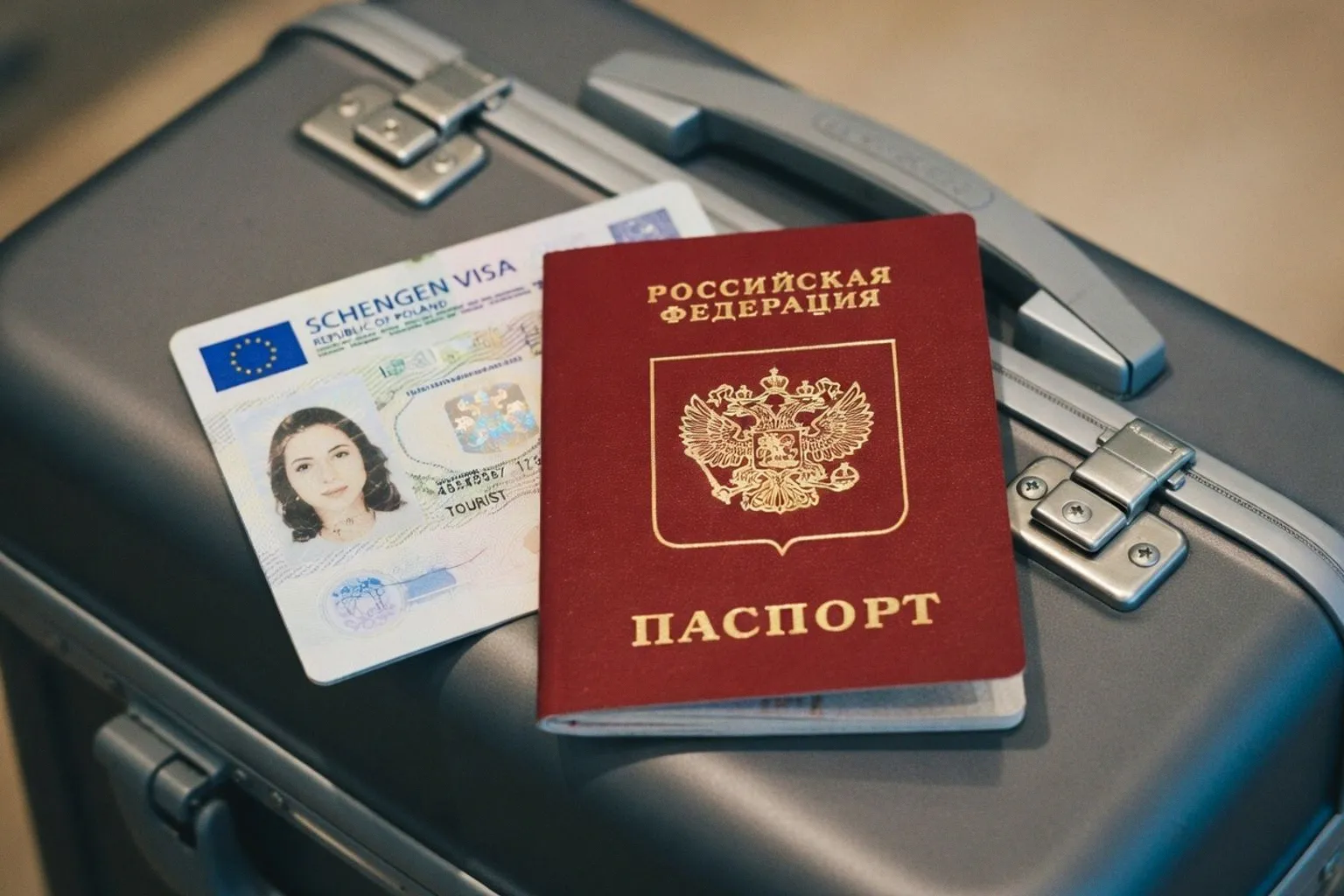
Speaking to the Frankfurter Rundschau, the German Free Democratic Party leader flagged that EU member states remain politically split on blanket restrictions. For travelers and logistics planners, the statement is a procedural signal: expect fragmented national rules, not a single EU-wide toggle.
The fault lines by member state
Strack-Zimmermann's framing puts the disagreement into three clear clusters. Treat Schengen access as 27 separate compliance checks, not one uniform gate.
- Skeptics of blanket tightening: France, Italy, Spain.
- Advocates of a stricter unified approach: Nordic countries, Baltic states, Netherlands.
- Position unstated in this report: remaining EU members.
The current Schengen baseline: Russian citizens not under sanctions retain the legal capacity to apply for a visa. As Strack-Zimmermann put it, the EU can decide to impose a complete entry ban — the political will is simply not present. Build itineraries on the assumption that today is the rule, tomorrow is the exception.
Germany: no full ban, discretionary refusal
Germany has not imposed a complete entry prohibition. It does, however, retain the procedural right to refuse entry on security grounds. This is the practical lever that must be factored in:
- Visa eligibility and entry admission are separate steps.
- A granted Schengen visa does not guarantee admission at the border.
- Carriers — airlines, bus and rail operators — may apply additional documentation standards beyond consular rules.
- Documented support for the war against Ukraine is cited as the trigger threshold; do not assume a visa alone clears the corridor.
Strack-Zimmermann's position is unambiguous on the principle: those backing Russia's war should not enjoy freedom and protection in Europe. That is a political stance, not yet a binding directive, but it signals where German enforcement discretion is likely to point.
Tracking the adjacent volatility
Two reports from the same week frame the operating environment:
- Radio Free Europe/Radio Liberty covered, on August 21, the question of an uptick in Russians departing amid renewed mobilization fears.
- Meduza reported the same week that emigration requests to the Russian rights group Kovcheg rose 6.3 times in August against the previous baseline.
Read together, these describe a Russian travel environment in flux at both ends — outbound pressure rising, inbound EU access hardening selectively. The procedural status today: no EU-wide entry ban, no ban imminent, national discretion is the operative variable. Hold buffer time at borders, build a backup route, and recheck consular notices before departure.