Russia and Vietnam Forge Strategic Partnership: Key Takeaways from the 21-Deal Agreement
A 50-point Joint Statement issued September 9 in Moscow after talks between President Vladimir Putin and Vietnamese President To Lam commits Russia to visa-free travel for Vietnamese citizens…
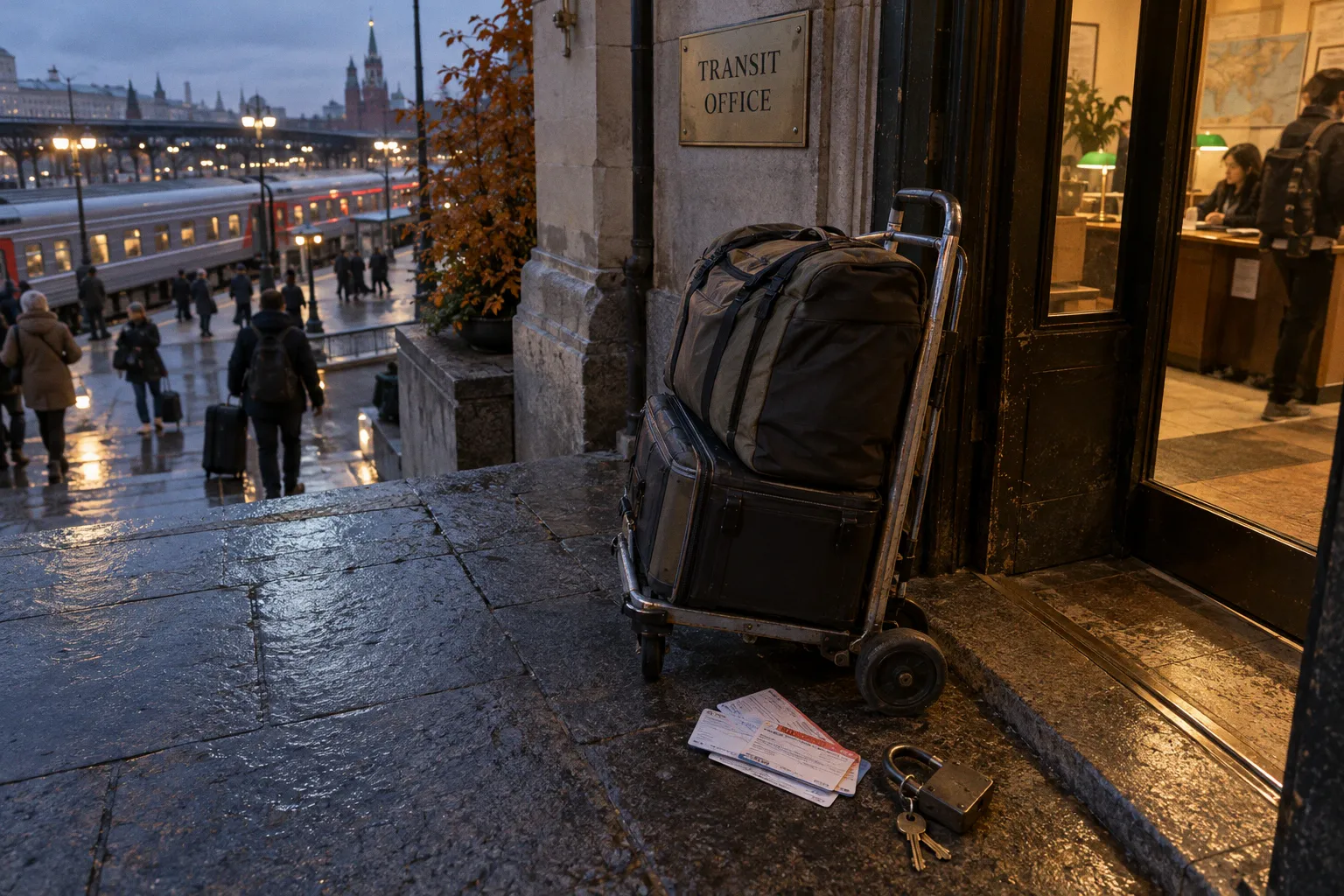
A 50-point Joint Statement issued September 9 in Moscow after talks between President Vladimir Putin and Vietnamese President To Lam commits Russia to visa-free travel for Vietnamese citizens, alongside direct air links, maritime routes, and road and rail corridors. The package totals 21 bilateral development instruments: 17 cooperation documents exchanged at the Kremlin and 4 additional science and education agreements signed at the Vietnam-Russia Science and Technology Forum the same day.
Entry Framework: Visa Status Pending
The Joint Statement signals Russia's intent to introduce visa-free travel for Vietnamese citizens. No implementation date, entry procedure, or permitted duration of stay appears in the published framework.
Until bilateral protocols are signed and Russian border procedures are updated, standard visa requirements remain in force. Travelers and operators should:
- Verify current entry requirements with the Russian Embassy or Consulate before booking.
- Treat the joint statement as policy intent, not operational procedure.
- Monitor official Russian Federation Foreign Ministry publications for implementation notices.
Transport Connectivity: Air, Sea, Rail
The statement identifies three transport priority areas:
- Air links: direct flight development between Russia and Vietnam. No carriers, routes, frequencies, or launch dates confirmed.
- Maritime routes: cooperation on shipping corridors. No port pairs or schedules published.
- Road and rail corridors: expanded transit options. No specific routes, customs protocols, or tariff structures released.
The transport provisions sit inside a broader economic framework. Bilateral trade is targeted at US$15 billion by 2030, supported by the Vietnam-Eurasian Economic Union free trade agreement and new national-currency payment mechanisms.
Sectoral Cooperation With Travel Implications
Energy provisions cover oil and gas, fuel reserves, hydropower, and the Russian-designed nuclear power plant and nuclear science and technology centre agreed in March 2026. Science and technology cooperation spans AI, digital systems, biotechnology, new materials, quantum technologies, space, and automation. Education, healthcare, tourism, labor, and cultural exchanges are listed as priority cooperation areas.
None of these sectors carry confirmed travel-facing programs, quotas, or eligibility criteria in the current framework.
Verification Checklist
Before issuing tickets, confirming group bookings, or publishing itineraries, verify:
- Russian Federation entry regulations for Vietnamese passport holders (status: pending implementation).
- Direct flight availability Vietnam–Russia (status: no new routes announced).
- Rail and maritime transit corridor protocols (status: framework only).
- Tourism cooperation programs under the joint statement (status: not yet operationalized).
Contingency
Standard Russian visa procedures remain the only legal entry route for Vietnamese citizens at this stage. All package itineraries, business travel, and tourism bookings should include buffer documentation time. Operators must not confirm visa-free arrangements until official Russian government publication.