Russia Upgrades Adler Border Crossing Infrastructure for Pedestrian Transit
According to SOVA News, Russia has approved the reconstruction of the pedestrian section at the Adler checkpoint on the Abkhazian sector of the Russian-Georgian border.
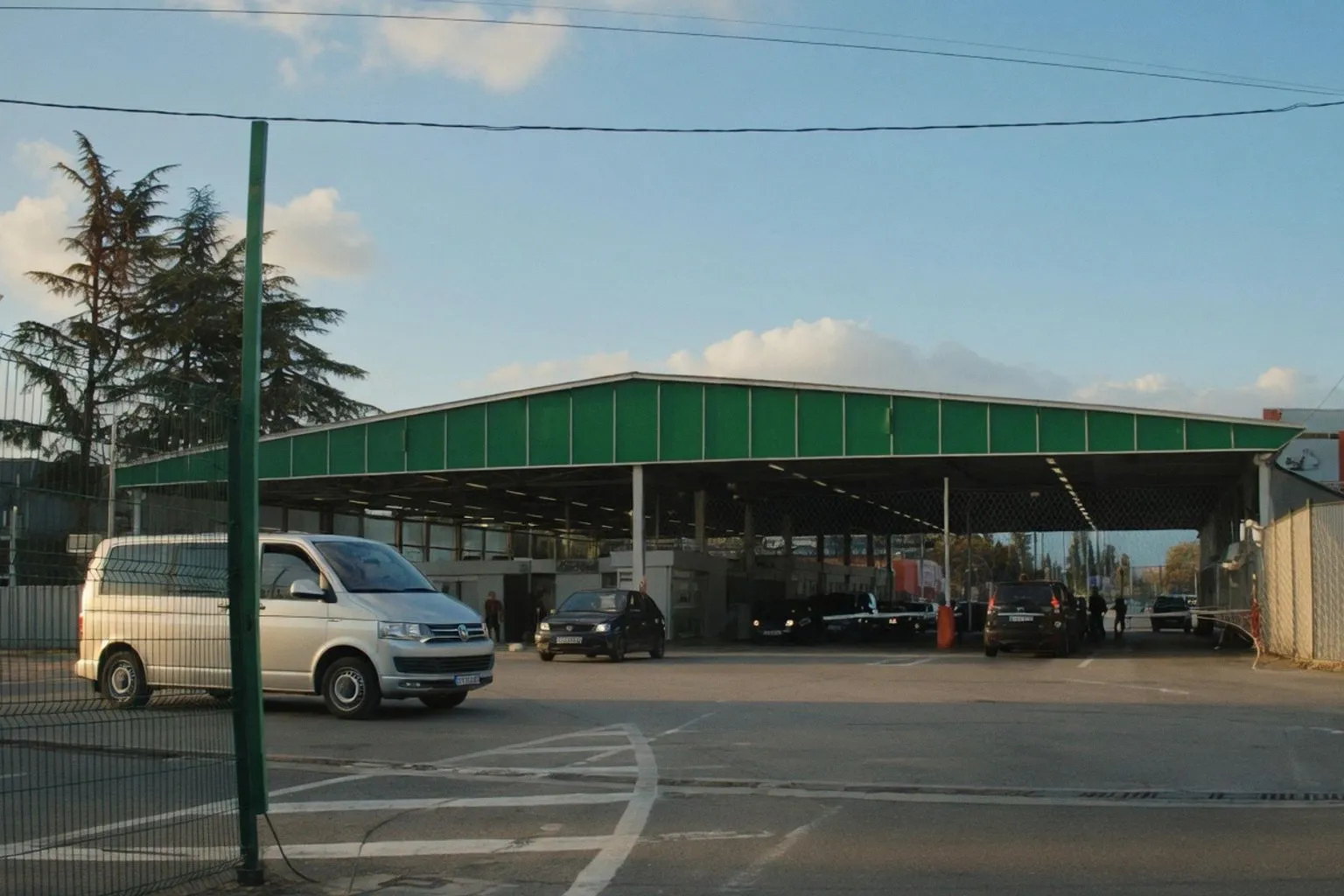
Preparatory work is already underway, with the main construction phase scheduled to begin in September and the wider checkpoint project expected to continue until 2028. For travellers, this is an infrastructure update—not a confirmed change to entry rules or crossing procedures.
The operational sequence
The project is being phased around traffic patterns at the checkpoint:
- During the tourist season, priority is assigned to the freight corridor.
- In autumn, work shifts toward bus and passenger-car lanes.
- The pedestrian component is scheduled as the second phase.
- Preparatory activity is underway before the September start of the main works.
This sequence matters because construction priority may move between transit corridors. A pedestrian crossing can be under reconstruction while vehicle and freight flows receive operational priority. Travellers should therefore treat the checkpoint as an active work zone in planning terms, even though the available report does not state that the crossing will close.
Why the checkpoint matters
The Adler checkpoint is described as the only and most heavily used crossing on the so-called Russian border with Abkhazia. According to the report, around 2.8 million vehicles and more than 12 million people passed through it in 2025.
That volume creates a basic compliance and timing requirement: do not build an itinerary around a nominal crossing time. The reconstruction schedule extends to 2028, and traffic management will be adjusted by season. A route that is workable in one period may face different queue conditions in another.
The broader Russia–Georgia corridor has also shown recent pressure. Meduza reported that more than 20,000 people crossed the Russia–Georgia border in a single day on August 18, while daily figures above 19,000 were recorded on August 15 and 16. The report also described severe congestion on the Russian side. These figures concern the Verkhny Lars checkpoint, not Adler, but they confirm the planning risk associated with high-volume regional border travel.
Booking and transit controls
For a trip involving Adler and onward movement toward Abkhazia, apply the following controls:
- Confirm the intended crossing point. Do not treat Adler and Verkhny Lars as interchangeable. The available reports concern separate checkpoints and different transit directions.
- Build buffer time. The evidence does not provide a standard processing time. Any fixed transfer window is therefore a planning assumption, not a confirmed operating schedule.
- Check conditions close to departure. The reconstruction is phased, and the main works are scheduled for September. Operational arrangements may vary as the project moves between pedestrian, passenger-car, bus, and freight areas.
- Do not infer a visa or entry-policy change. The announcement concerns reconstruction of the pedestrian section. The reports do not state new border documents, permissions, fees, or opening hours.
- Keep the itinerary reversible. Avoid non-refundable onward transport with a narrow connection immediately after the border crossing.
The fail-safe position is simple: confirm the crossing status before departure, preserve a time buffer after the border, and maintain an alternative overnight or onward-transport plan. The infrastructure project may improve capacity over time, but the current announcement does not guarantee shorter queues during construction.