Russia Proposes Expanded Digital Tracking for All Domestic and International Passenger Travel
Russia's Ministry of Transport has opened public consultation on a draft order, dated August 11, 2026, that would extend an existing passenger-data system to log long-distance trips inside Russia and…
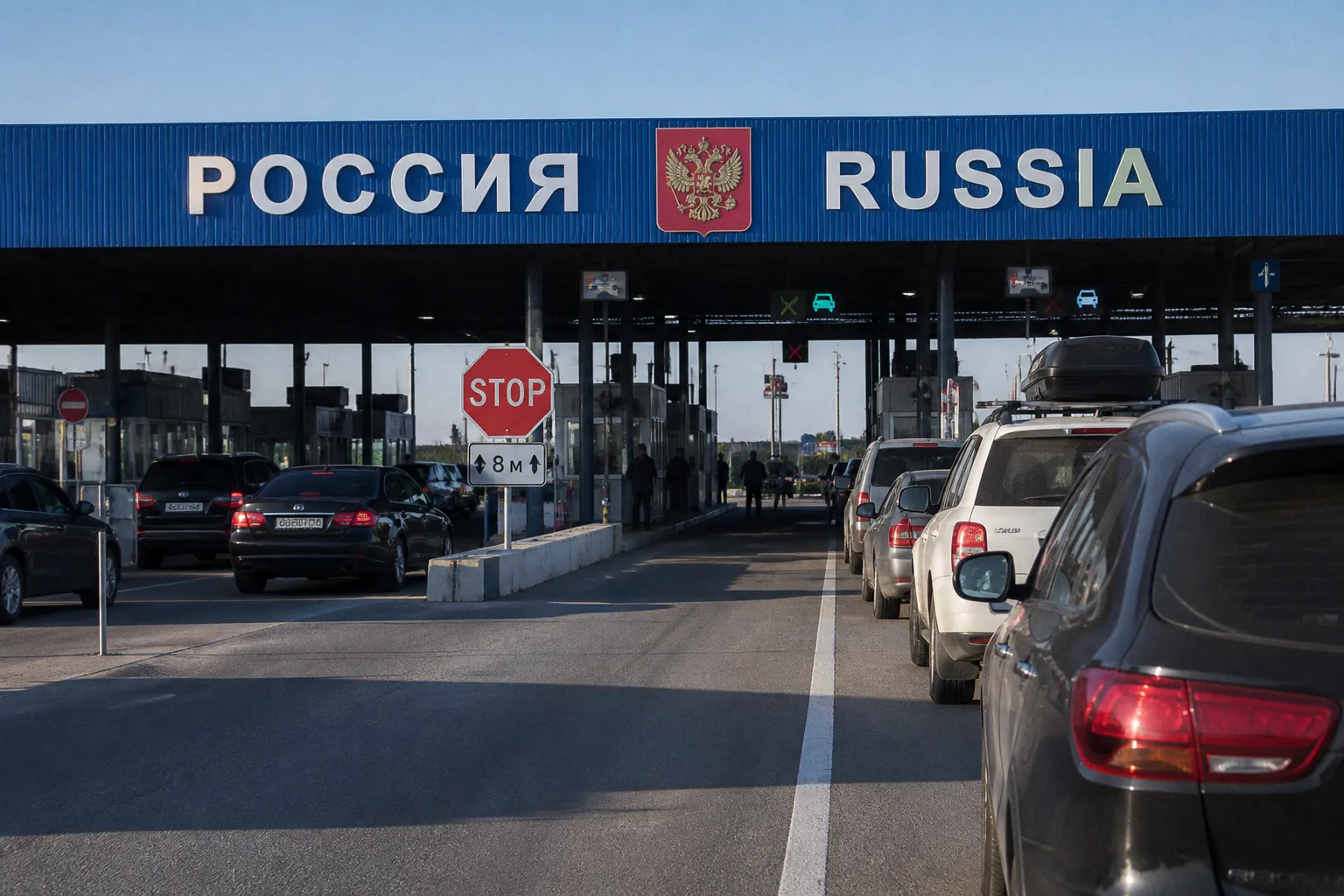
Russia's Ministry of Transport has opened public consultation on a draft order, dated August 11, 2026, that would extend an existing passenger-data system to log long-distance trips inside Russia and across its borders, according to United24 Media, citing the Russian outlet Verstka. The proposal matters to inbound travelers because the expanded system would capture actual movement — not just scheduled bookings — and feed that record into centralized databases already accessible to law enforcement.
Scope of the proposed expansion
- Centralized databases covering passengers and transport crews would receive broader inputs.
- Formal split between scheduled information and what actually occurred during a journey.
- Long-distance travel inside Russia and cross-border trips fall under the expanded scope.
- Public consultation is open through standard regulatory channels; final text not yet issued.
Baseline already in force since 2024
Existing rules already require transport operators and ticket-booking companies to transmit the following data points to centralized systems:
- Ticket purchases.
- Refunds.
- Passenger boarding and disembarkation.
- Departures and cancellations.
The draft order layers actual-route data on top of that baseline. Compliance sits on the operator side, not the passenger side, but the downstream record remains passenger-specific.
Practical checkpoints for travelers
- Booking stage: any ticket purchased through Russian carriers or aggregators enters the system at the point of sale, before departure.
- Itinerary drift: missed connections, voluntary reroutings, and overland segments now generate a separate data trail distinct from the original schedule.
- Border alignment: cross-border movements are captured explicitly under the proposed scope; keep passport control records, migration cards, and e-visa registrations aligned with actual entry and exit dates.
- Transit corridors: long-distance internal moves — rail, intercity bus, certain domestic air segments — fall within the proposed tracking perimeter.
- Refunds and cancellations: these events already generate mandatory data points. Cancelling a ticket does not erase the original booking record from the centralized database.
Status and what to monitor
The draft remains in public consultation. No implementation date is published in available reporting. Monitor the Ministry of Transport portal for the finalized order text before locking in fixed itineraries or non-refundable bookings. Until the new order is signed, the 2024 baseline remains the binding compliance requirement for carriers and ticket platforms.