Russia Pivots to Rail Cruises as the New Standard for Regional Tourism
According to reporting from thetraveler.org, Russia is leaning hard into its rail network as a tourism engine, packaging remote cultural sites into multi-week "rail cruises" aimed at domestic and regional travelers.
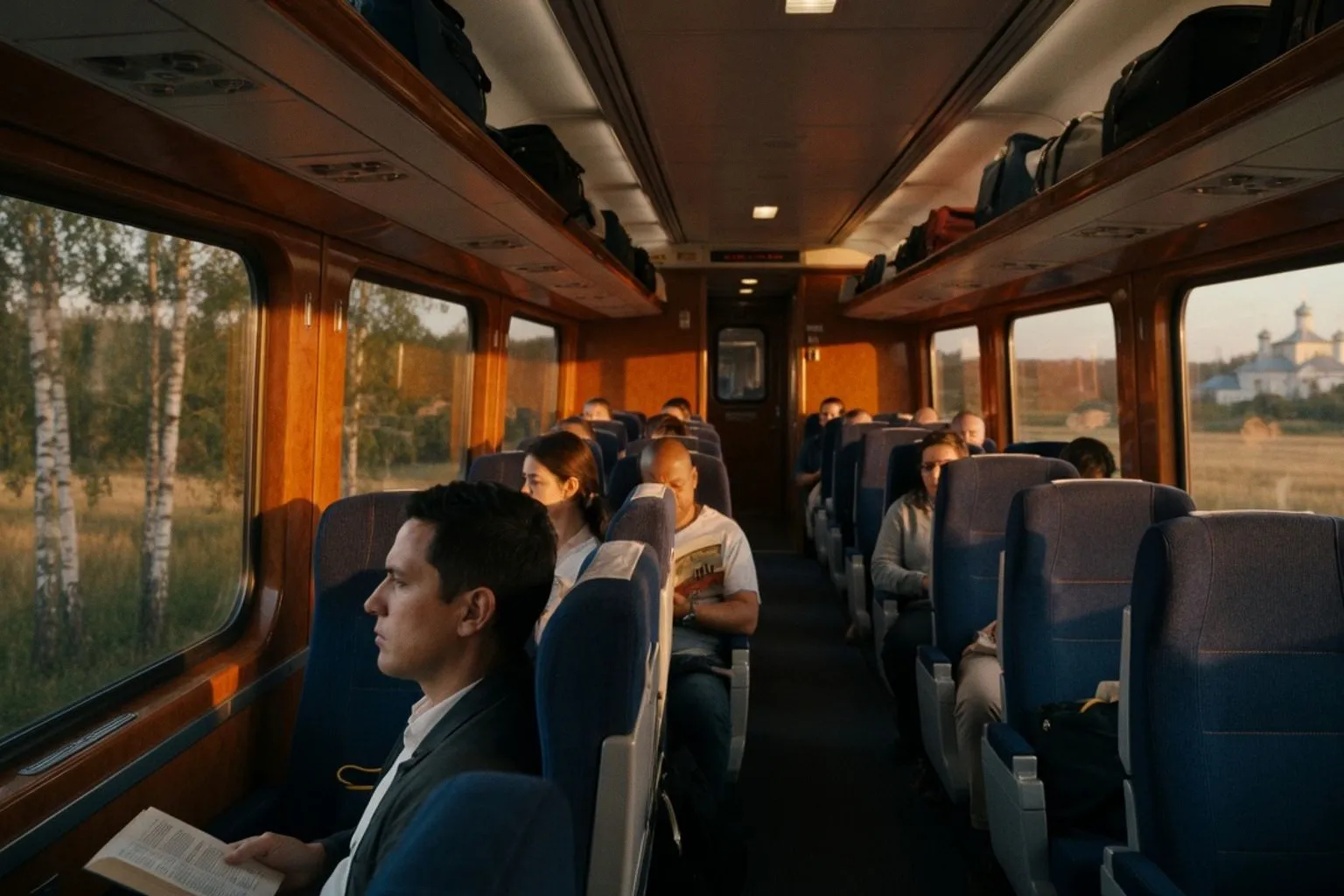
For anyone plotting a route into or across Siberia, this shift matters: the same corporate materials describe themed carriages, upgraded onboard services, and curated stops that are now built into the ticket rather than tacked on as extras. What used to be a niche product is repositioning itself as the spine of how visitors move through the country, and our itineraries have to reckon with that.
What the numbers actually mean for pacing
The shift shows up in figures we can plan around. According to data cited by the Russian Union of the Tourism Industry, tourist trains reportedly carried around 940,000 passengers in 2023, with 2024 projections exceeding one million — clear evidence that rail-based holidays are no longer a curiosity. Federal Passenger Company, the long-distance arm of Russian Railways, has publicly framed tourist routes as a priority segment, and corporate materials for 2024 already describe record volumes on long-distance services alongside experiments like spa carriages on flagship routes to Siberia.
The granddaddy of those routes is still the Rossiya service between Moscow and Vladivostok, running more than 9,000 kilometers across seven time zones over roughly seven days. We always pace this stretch as a slow-tempo journey: dining cars on a regular cycle, carriage attendants holding quiet hours through the night, and a deliberate handoff between European Russia, the Urals, and the Siberian taiga. Government briefings on the transport sector describe rail tourism as part of a wider redirection of outbound demand toward domestic and regional destinations, with plans envisaging tens of millions of additional leisure trips by rail each year, supported by investments in rolling stock and station-area infrastructure in secondary cities along the main lines. For our readers, that translates into more refurbished stops, better onward connections, and a growing menu of excursion add-ons at intermediate junctions.
The Asian-facing corridors — and the catch at Naushki
The eastbound push is where international travelers start paying close attention. According to nomadlawyer.org, the Moscow–Irkutsk–Ulaanbaatar–Beijing corridor is being positioned as one of the most culturally diverse long-distance routes in the world, threading European Russia into Mongolian steppe and into China's dynastic heritage, and reviving the Silk Road overland narrative. Here is the catch: the border crossing at Naushki between Russia and Mongolia involves customs inspections by both Russian and Mongolian officers, and, according to the same reporting, can take up to four hours, with passengers asked to remain in their compartments while passports are checked. That slow protocol is being reframed as part of the old-world overland experience, which is fair, but for our planning purposes it is a hard logistics constraint. Pad your schedule by at least half a day on each side of the border, and never stack a tight onward connection onto a Mongolian arrival.
Where Lake Baikal quietly becomes the breakout story
South of the main line, Lake Baikal is doing the heavy lifting for cultural revival. According to regional updates cited by thetraveler.org, tourist traffic on the historic Circum-Baikal Railway — the dramatic section skirting the southern shore of the lake — rose by more than 14 percent in 2024, with close to 84,000 passengers carried over the year. Refurbished heritage rolling stock and themed excursions are drawing visitors from elsewhere in Russia and from nearby Asian markets, and once-isolated worker settlements along the line are being repackaged as staging points for wooden villages, Soviet-era industrial heritage, and national park day trips.
In parallel, the Russian Railways sustainability report frames the 50th anniversary of the Baikal–Amur Mainline in 2024 as a marketing moment for the parallel feeder routes through the Russian Far East — corridors that historically belonged to freight planners. The practical upshot for longer itineraries: a second axis of stops is opening up north of the Trans-Siberian, and seasonal timing now matters more than ever. Aim for the southern Baikal shoulder seasons of late spring and early autumn to avoid the peak crowding on the Circum-Baikal heritage trains, and build in buffer days at Irkutsk or Ulan-Ude before committing to the onward international leg. That is where the new rail-tourism push either holds together or starts to fray, and it is the part of the map we will be watching most closely.