Risks of Informal Border Transit: Lessons from Recent Detentions and Infrastructure Strikes
Kyiv Police have detained a Russian citizen suspected of organizing illegal border crossings, according to Mezha.
Новини України. The arrest is a procedural signal for any traveler weighing informal transit routes into Russia. Regulatory exposure applies on both sides of the border — compliance remains the only viable pipeline.
Legal exposure on informal crossings
A Russian national detained in Kyiv on suspicion of running unauthorized crossing schemes illustrates what regulators treat as standard procedure: third-country facilitation of illegal entries carries criminal liability in every jurisdiction along the route.
- Informal transit is not a regulated category. No paperwork, no insurance, no consular assistance.
- Authorities in transit states treat the organizer as the primary suspect. Travelers become secondary witnesses.
- For inbound tourism to Russia: e-visa channels and consular visas are the only compliant entry pipeline. Anything routed through a "facilitator" is outside that pipeline.
If your itinerary depends on someone other than a licensed carrier or consulate, stop and verify the document chain.
Border infrastructure volatility
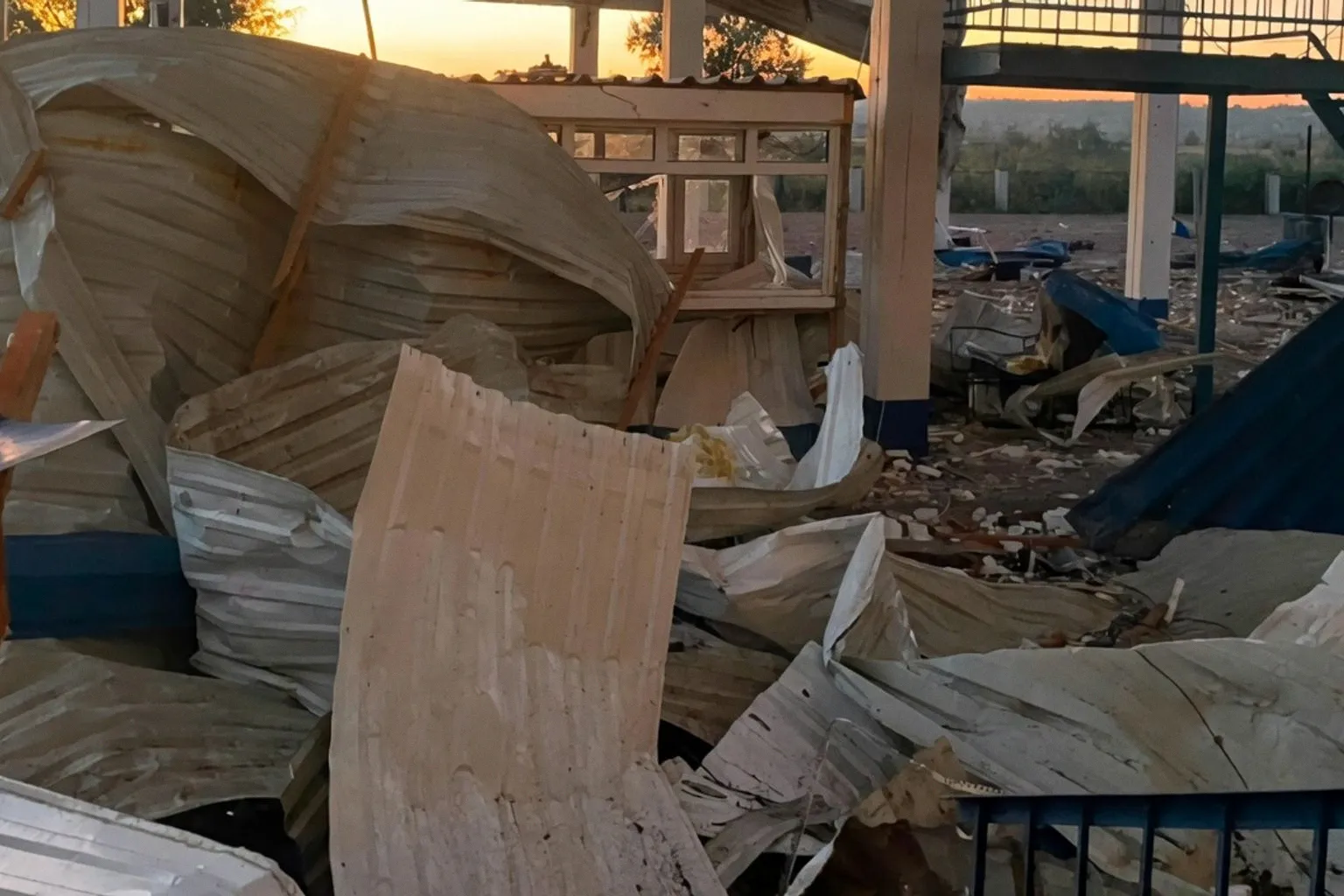
The Tabaky international checkpoint on Ukraine's border with Moldova was hit by a Shahed drone overnight into Aug. 21, according to The New Voice of Ukraine, citing Ukraine's State Border Guard Service. It was the second strike on the facility within a week. Operations resumed on Aug. 22, with the Ukrainian side notifying Moldovan counterparts.
Procedural points for planners monitoring the corridor:
- Damage scope: infrastructure, not personnel processing — but throughput was halted.
- Traffic during suspension: redirected to other border crossings.
- Airspace note: Moldova's Defense Ministry reported a Shahed-136 entered Moldovan airspace during the Aug. 20 combined attack before returning to Ukraine.
For inbound travelers to Russia, the takeaway is corridor-level, not checkpoint-level. Cross-border road infrastructure in the Black Sea region is now a moving variable. Build buffer time into any itinerary that touches Moldova, Transnistria, or southwestern Ukrainian routes.
Backup plan: the regulatory fallback
When the legal channel is blocked or the corridor is degraded, the standard fail-safe is procedural and non-optional.
- Verify visa category against the current consular bulletin — not third-party summaries.
- Route through officially listed checkpoints only. Status changes daily; confirm with the carrier 24 hours before transit.
- Document the entire chain: visa, invitation letter, migration card, registration. No gaps permitted.
- If a checkpoint closes mid-transit: hold position. Do not improvise an alternative crossing.
The procedural fallback exists precisely so that travelers do not improvise. Run every transit decision through documented channels — and the buffer stays intact.