Kazakhstan Mandates Paid Electronic Entry Permits for All Foreign Travelers Starting November
According to Meduza, the Electronic Travel Authorization (ETA) applies to all foreign nationals arriving from visa-free countries — Russians currently enter Kazakhstan without a visa or any permit…
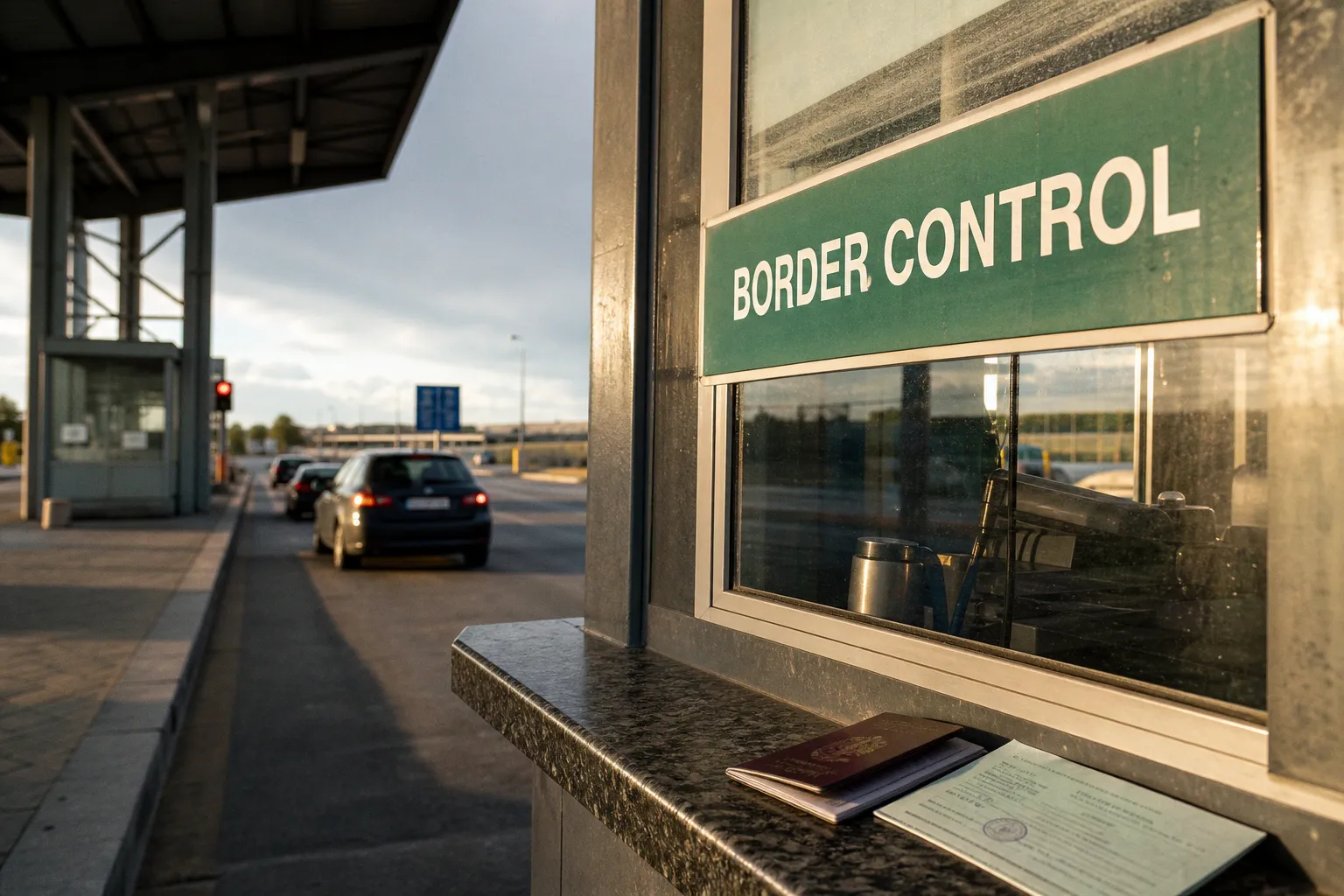
Kazakhstan activates a mandatory paid electronic entry permit on November 1, and Russian citizens are explicitly included in the requirement. According to Meduza, the Electronic Travel Authorization (ETA) applies to all foreign nationals arriving from visa-free countries — Russians currently enter Kazakhstan without a visa or any permit, and that exception closes with the November rollout. For travelers routing through Almaty, Astana, or the western crossings as a transit corridor toward Russia, Central Asia, or reverse itineraries, the rule restructures the pre-departure compliance window.
Permit specifications
- Platform: QazETA digital system.
- Filing deadline: minimum 72 hours before entry.
- Validity: 180 calendar days from issuance.
- Entries permitted: multiple within the validity window.
- Format: electronic only. No sticker, no stamp.
Fee structure
- Online application via QazETA: 3,900 tenge. Approximately 730 RUB or 7 EUR.
- Border application: 7,800 tenge. Approximately 1,460 RUB or 14 EUR.
- Differential: 100%. Online filing is the compliant default.
Transit-corridor matrix
- Russian citizens entering Kazakhstan: ETA mandatory from November 1. Visa-free status remains. Stay beyond 90 days within any 180-day window still triggers the existing temporary residence permit requirement.
- Foreign nationals transiting Kazakhstan toward Russia or onward to Central Asia: ETA required before departure from the origin city. The 72-hour buffer applies upstream, not at the Kazakhstan border.
- Land crossings: no exemption noted in current reporting. Compliance is checked on arrival.
- Air arrivals: same 72-hour rule applies. Carry the ETA confirmation alongside the passport at boarding.
Parallel compliance signal
Latvia's State Border Guard reported a refusal at the Terehova crossing on August 30 — a Russian citizen denied entry for lacking a valid travel document and returned to the country of departure. Document checks at land borders are active. The Kazakhstan ETA layers a similar requirement onto the Central Asian corridor.
What is not yet confirmed
- Phased rollout: Kazakhstan's Internal Affairs Ministry published the draft resolution in early August, stating the rollout would occur between August and December 2026. Stage-by-stage dates and phase contents remain unspecified.
- Information sourcing: Serbia's Foreign Ministry cited the rollout schedule without clarifying the origin of its data.
- Adjacent jurisdiction note: Serbia, per BTA reporting, seeks Schengen entry by end-2027 and retains its visa-free regime for Russian citizens. That arrangement is separate from Kazakhstan's ETA but relevant on any Balkan-to-Central-Asia routing.
Fail-safe compliance plan
1. Apply through QazETA, not at the border.
2. File at least 72 hours before scheduled arrival.
3. Store the ETA confirmation in the same digital wallet or print copy as the passport.
4. Do not interpret the visa-free label as covering permit requirements.
5. Treat Kazakhstan as a documented-entry jurisdiction, not a soft border, on every transit leg.