How Cambodia’s New Tourism Strategy Impacts Russian Travel Logistics
Cambodia has set its sights on the Russian travel market for the second half of 2026 and into 2027, according to Khmer Times.
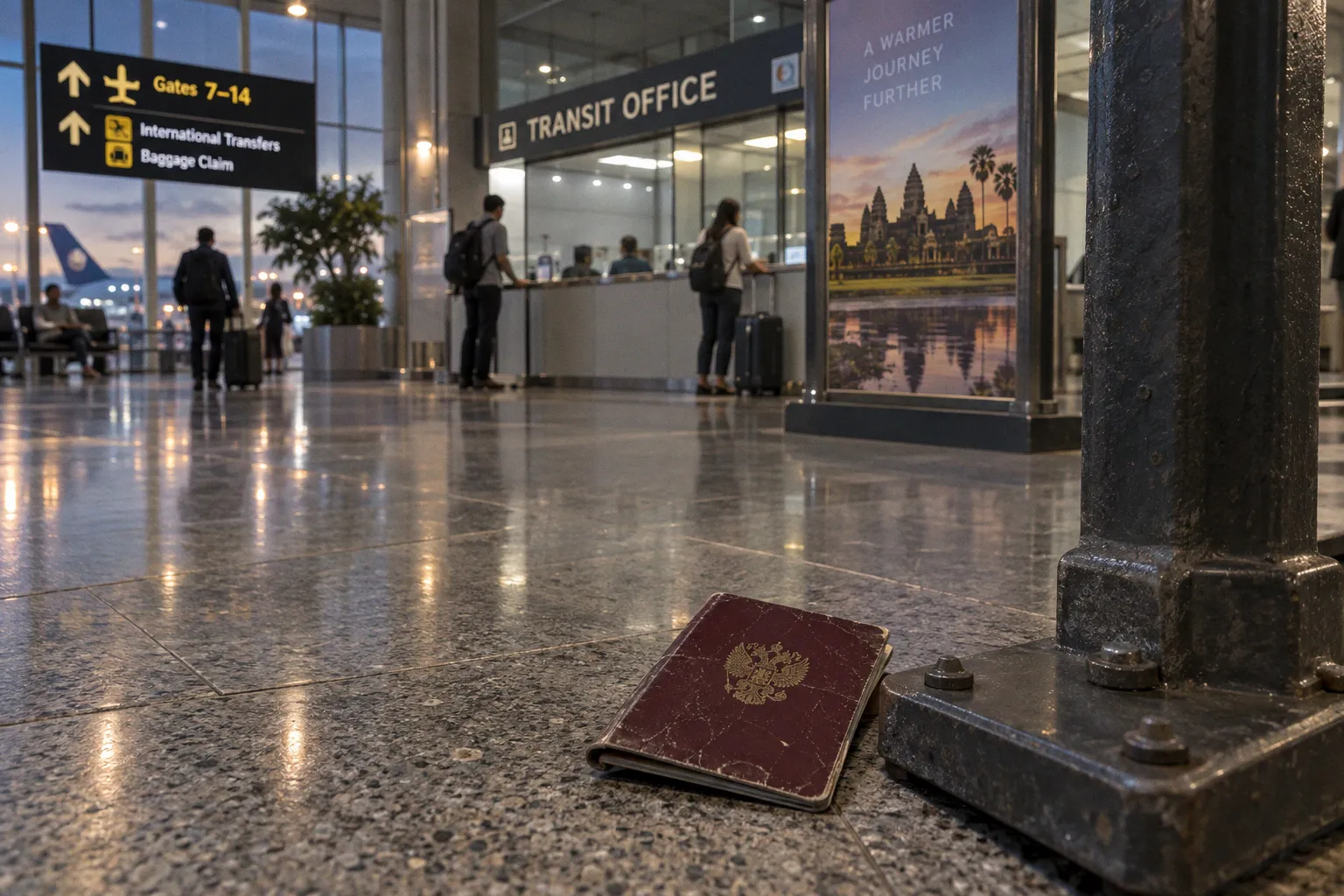
At first glance, that is a story about outbound travel, not inbound — and here is the catch: the two are more connected than the headlines suggest. If you are mapping a Russian itinerary for the coming seasons, the broader shifts in how Russians move internationally will quietly reshape the options, the prices, and the visa logistics you should be planning around.
Why a Cambodia headline belongs in a Russia travel atlas
We get the question of relevance before we even begin. A Southeast Asian destination courting Russian guests sounds, on its face, like a different chapter altogether. Step back, though, and the threads weave together. The Los Angeles Times reported earlier this month that Russians continue to leave the country, citing fears of renewed mobilization and shrinking freedoms, with one aid group noting a sharp uptick in emigration inquiries since mid-July. Armenia, Georgia, Turkey, and Kazakhstan — the long-standing outflow channels — remain the familiar names in that reporting. When a population is in motion, the entire tourism ecology shifts: flight pricing, visa policies, the appetite for long-haul itineraries that were previously routine. Cambodia inserting itself into that map is a signal worth tracking even if your own itinerary points the other direction.
What we actually know about the Cambodian push
Here is the honest part: the Khmer Times headline confirms that Cambodia is targeting Russian tourism market expansion across late 2026 and 2027, but the substantive reporting sits behind that headline. We do not yet have published detail on whether this means a fresh visa-waiver window, a marketing push, charter arrangements, or something else entirely. Until the specifics land, treat any chatter about an "easy Cambodia route for Russian travelers" as preliminary intelligence. That uncertainty is itself useful — it tells you the route is being drawn but not yet signed, and the eventual details will matter for anyone watching how Russian outbound demand gets redistributed across the region.
How to plan around the shifting map
The immediate lesson, if you are plotting a Russian journey, is not to redirect your itinerary. It is to widen your source-checking radius before you book. Watch how the traditional outflow neighbors — Armenia, Georgia, Turkey, Kazakhstan — reposition themselves in response, and keep an eye on whatever Cambodia eventually announces. Seasonal pricing on Trans-Siberian and Far East routes tends to react to broader Russian mobility patterns, and the late autumn into early winter window is typically when new policy signals become operational rather than rhetorical. We will keep following the Cambodia thread as it firms up; for now, file it as a marker on the map rather than a finished route.