News
US Resumes Immigrant Visa Processing for Russian Nationals Following Court Ruling
Per the U.S. Department of State, the January 2026 pause on immigrant visa processing for nationals of 75 countries — Russia included — has been lifted. The reversal follows a court order in CLINIC et al. v. Rubio, et al.
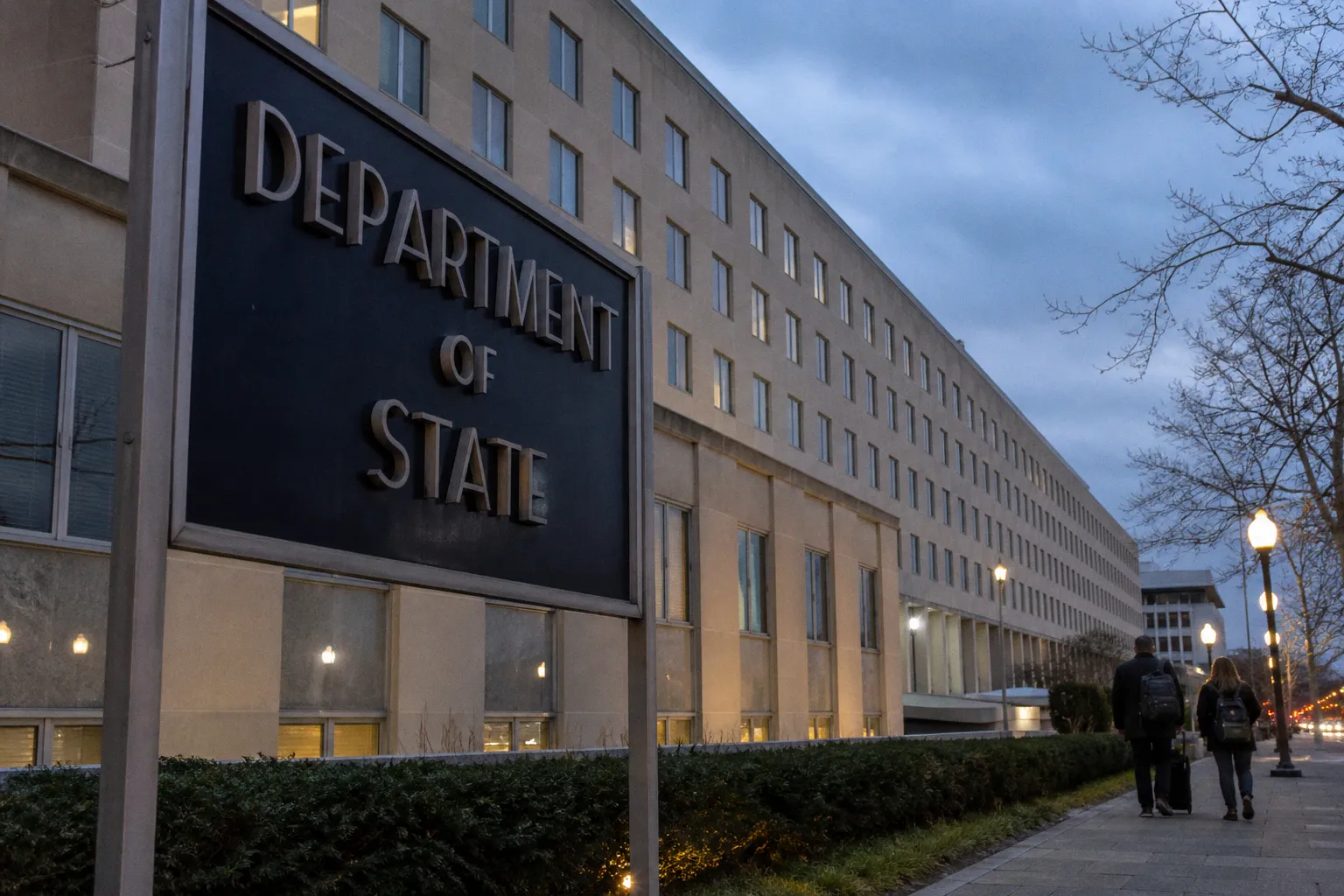
For Russian applicants, this reopens a channel that was sealed for the duration of the suspension. Actual movement is conditional on consular throughput and the continued validity of the court order.
Scope of the reversal
- The suspension imposed in January 2026 is no longer in force for nationals of the 75 countries named in the State Department's announcement.
- Russia is among the countries covered by the reversal.
- The legal trigger is a federal court order, not a discretionary policy shift by the State Department.
- The underlying litigation in CLINIC et al. v. Rubio, et al. remains active. Further rulings, modifications, or appeals remain possible.
- The decision does not waive standard eligibility requirements or supporting documentation rules.
Procedural state for Russian applicants
- Cases already in the pipeline should resume movement through the previously suspended steps: document review, interview scheduling, and administrative processing.
- Appointment availability at the relevant U.S. Embassy or Consulate is the binding variable for actual case progression.
- Pre-pause processing estimates are no longer reliable. Updated figures will surface as consular queues normalize.
- Documentation that expired during the pause period requires re-issuance before the interview. Expired civil status records, police certificates, and medical clearances are the most common disqualifiers at this stage.
Verification matrix before any next step
- Confirm current case status through the State Department's online case-checking tool before assuming eligibility under the reversal.
- Verify current appointment availability at the relevant consular post — published dates may lag the policy change.
- Track CLINIC et al. v. Rubio, et al. for any modification, stay, or appeal of the existing order.
- Audit civil documents for currency. Expiry during the suspension is the most frequent procedural failure at the interview stage.
- Direct any case-specific inquiry through the State Department's official channels; third-party intermediaries add no procedural advantage here.
If the consular post shows no appointment availability, escalate through the State Department's public inquiry system rather than through an agent. Documentation currency is the standard control point — and the most common cause of unnecessary delay.