Navigating 2026 European Transit Rules for Indian Tourists Visiting Russia
Outlook Traveller's 21 August 2026 piece flags the EES biometric entry/exit system and the ETIAS travel authorisation as the new baseline for Indian passport holders crossing into Schengen territory.
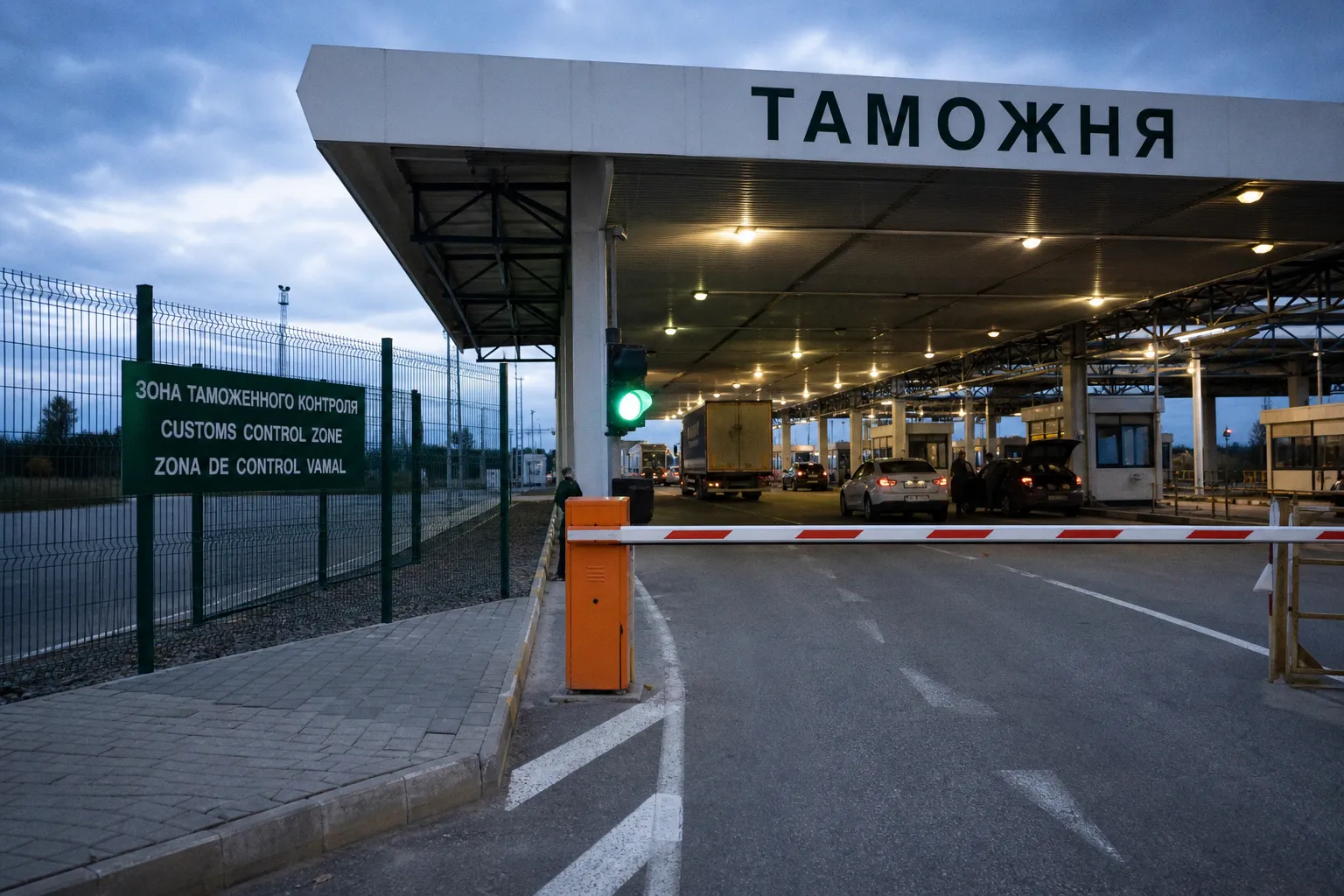
The Compliance Runway Just Shrunk for Your 2026 European Pre-Tour
If your Russia itinerary books Indian-source guests through a European gateway — Mumbai–Istanbul–St Petersburg, Delhi–Frankfurt–Moscow, Bengaluru–Dubai–Sheremetyevo, the routing patterns that worked in 2024 and 2025 — your compliance runway just contracted. Outlook Traveller's 21 August 2026 piece flags the EES biometric entry/exit system and the ETIAS travel authorisation as the new baseline for Indian passport holders crossing into Schengen territory. The granular processing timeline and fee structure aren't yet spelled out in the public reporting we can verify, but the strategic signal is unambiguous: more friction, more lead time, more liability sitting on the tour operator rather than the carrier.
What this news cycle actually confirmed
Four regulatory threads converged in a single reporting cluster. Outlook Traveller published its India-focused guide "Europe Travel Rules 2026: What Indian Travellers Need to Know About EES and ETIAS" on 21 August. Pulse Ghana ran a parallel ESTA 2026 guide on 18 August — the same compliance architecture applies if your itinerary extends west to North America. Belsat reported on 21 August that Belarus has tightened documentation requirements for organised group travel of children abroad, adding an approvals layer that didn't exist in the prior cycle. And open.kg carried Kyrgyz customs guidance on 19 August covering new rules for debtor carriers operating on Russia's paid-road network.
The common thread across all four is documentation lead time. Each new rule front-loads paperwork that previously sat at the border.
Where this hits your Russia product specifically
Indian-source guests routed via Schengen. EES/ETIAS pre-clearance failure is a denied-boarding liability you absorb, not the airline. Until processing windows are documented in source material, price a 48–72 hour buffer into any European staging flight. The cost of a held room is lower than the cost of a rerouted guest, and a rerouted guest is cheaper than a refund claim on day zero of the trip.
Youth, school, and family segments. Belarus just moved from a footnote to a line item. If you sell student or family tours that touch Belarusian territory, the new approvals and documentation need to be re-costed into the brochure now — not absorbed into the operating margin later when a group gets held at the checkpoint.
Coach and overland series. Ground handlers moving groups through EAEU corridors — Kyrgyz, Kazakh, Armenian, Belarusian operators working paid Russian roads — now carry a tax-compliance posture you can no longer ignore. Your procurement language should require written confirmation of carrier compliance status before contract signature, not as a courtesy checkbox.
Vendor negotiation tip
Documentation lead time is the cheapest line item to add to an itinerary and the most expensive one to skip. Lock buffer days into your 2026 European pre-tour segments now, while supplier contracts are still negotiable — not after the first denied boarding forces a reactive refund. The operators who price the friction into their 2026 product today will own the corporate accounts tomorrow; everyone else will be writing goodwill vouchers in Q3.