Ghana and Russia Establish Visa-Free Travel for Diplomatic and Service Passport Holders
Ghana and Russia have signed a Visa Waiver Agreement covering holders of Diplomatic and Service Passports, according to multiple outlets including 3News and GhanaWeb, with GhanaWeb framing the move as historic.
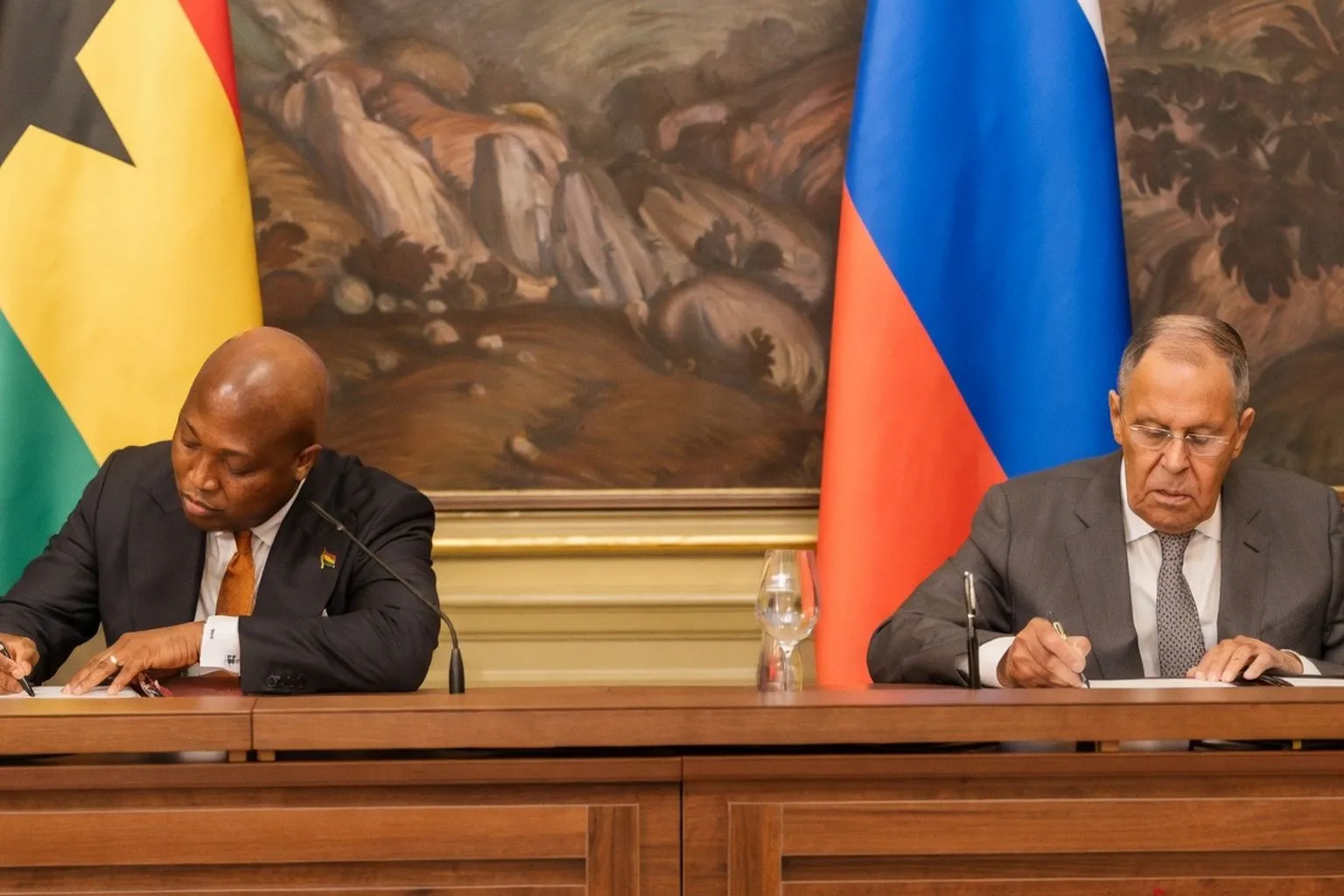
Ghana–Russia Visa Waiver: Diplomatic Channel Only
For ordinary travelers planning a trip to Russia, the agreement changes nothing at the border checkpoint.
Passport Categories Covered
The text of the agreement, as reported, applies to two specific document classes:
- Diplomatic passports — issued to accredited diplomats and senior government officials traveling on state business
- Service (official) passports — issued to government employees on official assignments abroad
Standard international travel documents — biometric and non-biometric ordinary passports — fall outside the scope. This is a procedural distinction, not a semantic one. The two passport classes carry different visa privileges under Russian entry rules, and the new agreement operates only within the privileged tier.
Why This Matters for Tourism Planning
Ghanaian passport holders currently require a Russian visa for any non-official travel: tourism, business meetings, family visits, study, or transit. Nothing in the announced framework alters that requirement. Applications continue through the established consular pipeline.
The standard process for a Ghanaian tourist remains unchanged:
- File the application through the Russian consular section or an authorized visa center
- Submit the supporting document set: invitation letter, accommodation confirmation, return ticket, proof of financial means
- Build in the published processing buffer — several working days under normal conditions, longer during peak season
Travelers should not conflate a diplomatic-channel waiver with a general tourist-visa exemption. The two operate on separate legal tracks. A Ghanaian tourist attempting to enter Russia under the new agreement without an ordinary-passport visa will be refused at the border.
What to Monitor
Three checkpoints worth tracking before any booking is locked in:
- Ratification and entry-into-force date — a bilateral instrument typically requires domestic ratification steps before it activates in practice
- Whether either government issues supplementary guidance clarifying which passport series falls under which clause
- Whether the existing consular visa process for Ghanaian ordinary-passport holders is updated, simplified, or left in its current state
Until the implementation timeline is public and consular instructions are issued, treat the agreement as a diplomatic framework — not a travel shortcut.