Center for Strategic Research and Discover Russia Showcase Russia’s Tourism Potential at PATA Travel Mart
PATA Travel Mart 2026 opened in Malaysia on August 31 with Russia's Center for Strategic Research and the Discover Russia national tourism brand anchoring the business agenda, per reporting by Citizens Journal.
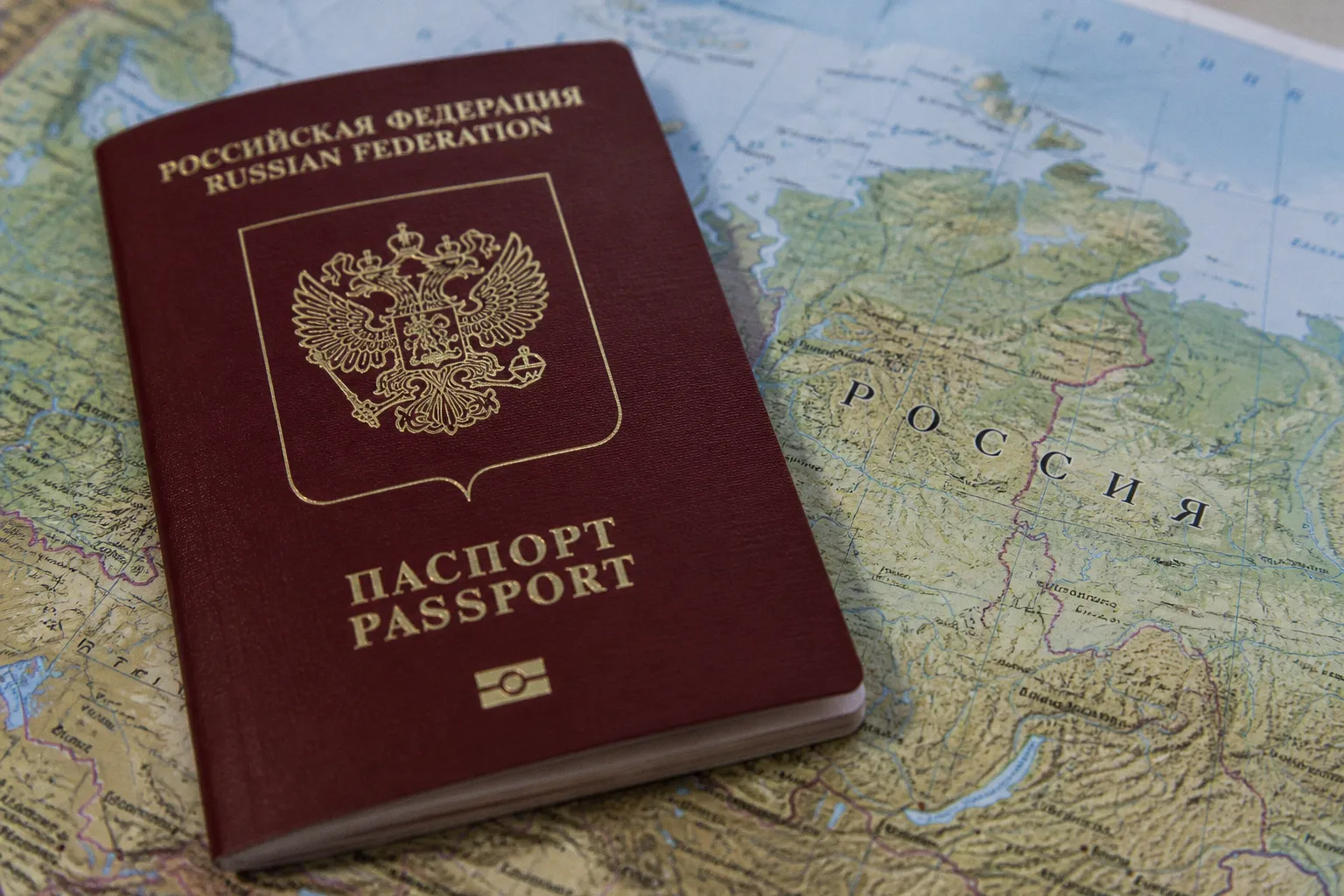
Day-one deliverables included a catalog of itineraries built for international audiences and direct engagement with 17 tour operators from China, India, and Malaysia. For travelers inbound to Russia from the Asia-Pacific corridor, two tracks warrant monitoring: expanded pre-built routes for 2026 travel, and a pending bilateral upgrade to the Russia–China visa-free regime.
PATA Travel Mart: Russia push logistics
- Location: Sheraton Kuching Hotel, Malaysia.
- Format: private networking lunch hosted by the Center for Strategic Research.
- Counterparties: Russian tourism industry representatives plus 17 tour operators from China, India, and Malaysia.
- Materials distributed to operators:
- Time to Travel 2026 catalog — itineraries built for international audiences.
- Ultimate Travel Guide, autumn edition.
- Cooperation tools for Asia-Pacific tour operators.
- Stated objective: convert PATA negotiations into bookable joint products and build a sustainable market linking Russia, Malaysia, China, and India.
Pavel Smelov, Director General of the Centre for Strategic Research, stated that demand from travel professionals to attend the meeting exceeded available seats several times over. He framed the corridor not as a simple scaling exercise but as an opportunity to construct a modern, sustainable tourism market. He added that new partnerships should translate negotiations into tangible itineraries, with return travelers serving as a referral channel for first-time visitors.
Visa-free regime: Russia–China status
Separately, President Vladimir Putin stated on the sidelines of the Shanghai Cooperation Organisation summit in Bishkek that Russia is prepared to work with Beijing on making the current visa-free arrangement permanent, contingent on Chinese agreement. The Russian side cited a 43% year-on-year increase in tourist flows between the two countries during the first half of the year as supporting evidence for the upgrade.
UN Tourism data referenced in the PATA coverage placed Asia-Pacific international arrivals at 331 million in 2025 — a 6% year-on-year increase, still 9% below the 2019 baseline. The remaining gap defines the headroom for new inbound corridors into Russia.
Procedural checklist for inbound travelers
- Verify operator credentials: any 2026 itinerary sourced through the 17 PATA tour operators must be confirmed compliant with Russian entry requirements before booking.
- Entry documentation: visa category, border zone access, and migration registration requirements remain unchanged pending any bilateral update.
- Buffer time: allow additional processing time for itineraries sourced through newly formed operator partnerships during the 2026–2027 transition.
- Monitor: track the Chinese response to the proposed permanent visa-free arrangement; no implementation timeline has been published.
Fail-safe: until the visa-free upgrade is confirmed by both governments, default to the current bilateral agreement. Do not assume policy transition before official bilateral ratification.