Car Rental in Seoul, South Korea: A Practical Guide
Finding a reliable car rental in Seoul, South Korea, requires navigating specific local regulations, toll systems, and emission zones.
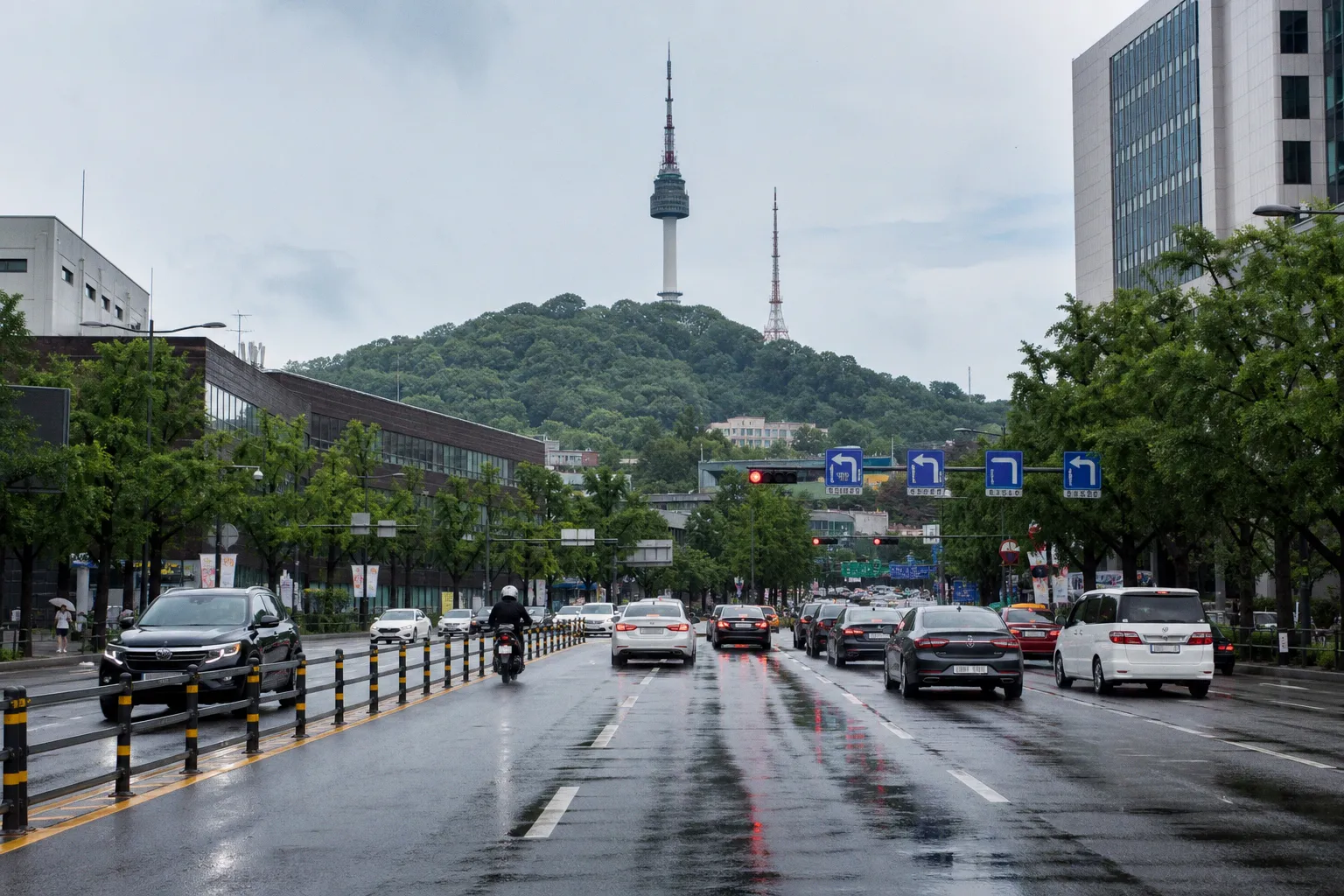
This guide outlines how to secure your vehicle at Gimpo Airport or downtown hubs and what documents you need to drive.
Compare car rental deals in Seoul
from €32/day · Prices checked on August 31, 2026
Driving: on the right.
Local currency: KRW.
Good to know — verified sources- The general emergency telephone number in South Korea is 112. tyremap.com
- Seoul has expanded enforcement of its low-emission zone rules to cover taxis, service vehicles and passenger fleets. globalfleet.com
- The minimum age to rent a car or motorcycle in South Korea is 18. priorityidp.com
- South Korea expressways use the Hi-pass transponder, with current rates varying by vehicle class. tollguru.com
- Singaporeans driving in the Republic of Korea need an International Driving Permit (IDP) for short-term travel. seoul.mfa.gov.sg
Sources checked on August 29, 2026.
Pick-up: airport (GMP) · train station · downtown
Pick-up points: Seoul (all locations), South Korea · Seoul Downtown, Seoul, South Korea · Seoul Gangnam, Seoul, South Korea · Seoul West, Seoul, South Korea
Partner link — DiscoverCars comparison| Minimum Rental Age | 18 years old |
| Key Pickup Locations | Gimpo Airport (GMP), Yongsan Station, Gangnam, Downtown |
| Required Documents | International Driving Permit (IDP) for short-term travel |
| Toll System | Hi-pass transponder (rates vary by vehicle class) |
| Low-Emission Zone | Enforced for passenger fleets, taxis, and service vehicles |
| Emergency Number | 112 |
| Confirmed Providers | DiscoverCars |
Navigating a metropolis of over 10 million residents like Seoul is often best done with a mix of public transport and a personal vehicle, especially if you plan to explore the surrounding Gyeonggi province or head further inland. If you choose to rent a car in Seoul, South Korea, you will find a highly structured market with options ranging from international booking platforms to local depots. Securing a vehicle gives you the freedom to travel on your own schedule, but it also means adapting to local driving habits, expressway tolls, and environmental zones. This practical guide covers everything you need to know before booking, including the essential paperwork, pickup locations across the city, and key road rules to keep you safe and compliant during your journey.
L'essentiel
Driving in Seoul requires compliance with strict local regulations. The minimum age to rent a car or motorcycle in South Korea is 18 years old. For short-term travel, foreign drivers—such as Singaporeans—must present an International Driving Permit (IDP) alongside their national driver's license.
When navigating the city, be aware that Seoul has expanded enforcement of its low-emission zone rules. These rules now cover passenger fleets, taxis, and service vehicles, meaning you must ensure your rental car complies with local environmental standards. For highway travel, South Korea expressways utilize the Hi-pass transponder system. Toll rates vary depending on your vehicle class, so it is highly recommended to request a vehicle equipped with a Hi-pass transponder from your rental provider. In case of any road emergencies or accidents, the general emergency telephone number to dial in South Korea is 112.
Prices and booking timing
Rental rates in Seoul fluctuate based on seasonal demand, vehicle class, and how far in advance you book. While specific prices are not fixed, booking early is highly recommended to secure the best rates and vehicle availability, especially during peak travel seasons.
Using comparison platforms like DiscoverCars, which has confirmed coverage in Seoul, allows you to compare different providers and vehicle classes. When booking, check whether the quoted rate includes the Hi-pass transponder for expressways or if it must be rented as an add-on. Always review the fuel policy and insurance coverage details before finalizing your reservation to avoid unexpected fees at the counter. Keep in mind that renting during major national holidays can lead to limited vehicle availability, making early online booking essential for securing a vehicle.
Where to pick up
You can arrange a car hire in Seoul, South Korea, at several key transit hubs and downtown districts. The primary pickup points include:
- Gimpo Airport (GMP): Ideal for travelers arriving on domestic flights or select regional routes.
- Seoul Yongsan Railway Station: A major rail hub convenient for those arriving by train.
- Seoul Downtown: Central locations convenient for travelers already staying in the heart of the city.
- Seoul Gangnam: Located in the southern business and shopping district.
- Seoul West: Serving the western metropolitan area.
When booking your rent a car in Seoul, South Korea, choose a pickup location that aligns with your arrival point to avoid navigating heavy city traffic immediately after landing. Most rental desks at the airport and major stations offer English-speaking staff, but downtown offices may have more limited hours.
Tips for trips from the city
Renting a car is the most convenient way to explore destinations outside the capital. When planning your trips, keep these practical driving tips in mind:
- Expressway Tolls: Ensure your vehicle has a Hi-pass transponder active, as toll rates vary by vehicle class and manual lanes can have long queues.
- Navigation: Standard global map applications may have limited functionality in South Korea due to local security regulations. Use locally approved navigation apps recommended by your rental agency.
- Parking: Parking in Seoul is notoriously difficult and expensive. Plan to park at your destination's designated parking lots rather than on the street.
- Emergency Contacts: Keep the emergency number 112 saved in your phone in case of any incidents on the road.
Always plan your departure times to avoid the intense rush hour traffic leaving Seoul, which typically peaks in the mornings and late afternoons.
Where to go by car
| Destination | Distance | Time | Tolls (est.) | Why go |
|---|---|---|---|---|
| Incheon | ~40 km | ~1 h | — | Visit the historic open port area, Chinatown, and the modern Songdo Central Park. |
| DMZ (Paju) | ~55 km | ~1 h 10 min | — | Explore the Demilitarized Zone, historic parks, and observation decks overlooking the border. |
| Gapyeong | ~60 km | ~1 h 15 min | — | Visit Nami Island and the scenic Garden of Morning Calm. |
| Suwon | ~35 km | ~50 min | — | Tour the impressive UNESCO-listed Hwaseong Fortress and walk along its ancient walls. |
Tolls: rates vary by country and route segment — check current pricing before you go.